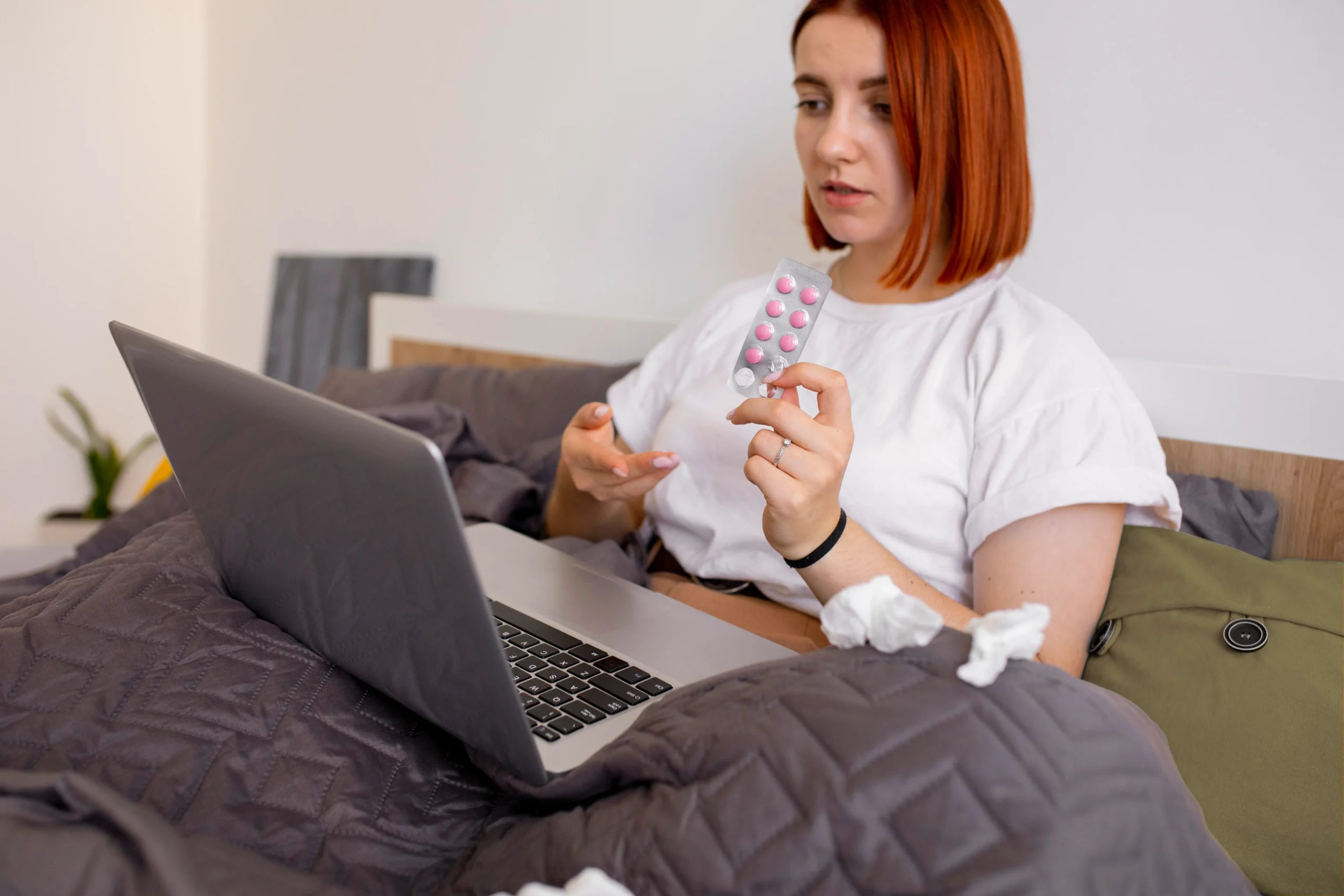
Online PrEP can be a game-changer for convenience and privacy, but choosing the right provider really matters. Not all services are built the same, and the details affect your safety, your confidentiality, and whether you’ll stay consistent long-term. The right provider makes prevention feel simple. The wrong one can leave you with gaps in testing, refills, or support.
If you’re comparing options, it helps to look beyond the homepage promises. You want a service that can coordinate the full picture, including STI testing kits, support for next steps like Online STD treatment, and reliable medication access like PrEP home delivery. And yes, PrEP home delivery should be discreet, and STI testing kits should come with clear instructions and a real plan if something goes wrong.
Quick refresher: What an online PrEP provider should actually handle
Convenience should never mean skipping clinical safeguards. A safe online PrEP provider should cover the core components of PrEP care, not just ship medication.
Core components of safe PrEP care:
- Eligibility screening + medical history review
- HIV testing before starting
- A clear ongoing follow-up schedule (HIV tests + STI screening)
- Prescription management and refills
- Adherence support and side-effect check-ins
- Clear guidance for symptoms, exposures, and urgent concerns
If a provider can’t explain these clearly, that’s your first red flag.

The “non-negotiables” checklist (before you even compare pricing)
Before you look at discounts or “fast start” claims, confirm the basics.
Non-negotiables:
- Licensed clinicians + clear medical oversight
- Clear lab/testing protocol (before starting and during use)
- Secure communication and privacy practices
- Transparent costs and what’s included
- A real plan for follow-ups, refills, and missed doses
Questions to ask (organized by what matters most)
Clinical safety and testing (the foundation)
These questions tell you if the provider is doing real medical care or just convenience marketing.
These questions should be asked:
- What tests are required before I start PrEP?
- Look for: HIV testing + other baseline labs (high-level)
- How often will you require follow-up testing while I’m on PrEP?
- Look for: a routine schedule + ability to adjust based on risk/symptoms
- Do you offer site-specific STI testing (urine, throat, rectal) when appropriate?
- Why it matters: many STIs are missed if you only do one type of test
- What happens if I have symptoms or a known exposure between routine check-ins?
- Look for: clear “contact us now” pathways and urgent guidance
STI screening options: kits, labs, and accuracy
This is where a lot of online providers differ. Some coordinate labs only. Some offer at-home collection options. What matters is clarity and follow-through.
Ask:
- Do you provide or coordinate STI testing kits, or do I go to a lab?
- What infections are included in the STI screening panel?
- How are samples collected and returned (and how fast do I need to ship them)?
- How are results delivered, and will someone explain them clearly?
Ask specifically about reducing user error:
- How do you reduce user error with at-home kits?
- Look for: clear instructions, tutorials, support, and what to do if a sample fails
Ask about positive results:
- How fast are results, and what happens if results are positive?
- Look for: a defined next-step workflow, not “you’re on your own”
Treatment support: what happens after a positive STI result?
A good provider doesn’t disappear when something comes back positive.
Ask:
- Do you offer Online STD treatment based on results (when appropriate)?
- Is treatment included or separate?
- How are prescriptions handled (pharmacy pickup vs delivery)?
- Do you provide partner guidance and follow-up testing recommendations (high-level)?
Also ask:
- If I need in-person care, will you tell me quickly and clearly?
- Look for: safety-first triage, not “telehealth only no matter what”
Medication access and refills (where convenience can break)
This is where “online” can either feel effortless or fall apart.
Ask about delivery:
- Do you offer PrEP home delivery, and is it discreet?
- What does discreet packaging mean (labels, branding, shipping name)?
- What are typical shipping timeframes?
- What happens if a package is delayed or lost?
Ask about missed doses and refill safety nets:
- What happens if I miss a dose or run out of medication?
- How do refills work, and how early can I request them?
- Do you send proactive refill reminders?
Privacy, confidentiality, and trust
Privacy is not a “nice to have” in sexual health; it’s often the reason someone chooses online care in the first place.
Ask:
- How can you protect my privacy and health information?
- See if there is: secure portal messaging; a privacy policy; limited information sharing.
- Is anything going to be reflected on my insurance claims, shipping labels, or pharmacy record? (Ask directly because it is a valid concern.)
- Can I contact a clinician easily if I have questions?
- Look for: real access, not just automated emails
Cost transparency (avoid surprise bills)
Online care can be affordable, but only if you understand what’s included.
Ask:
- What’s included in the price?
- Intake, labs, follow-ups, medication, shipping, STI testing, treatment
- If I use insurance, what will I likely pay out of pocket?
- Request an estimate and a breakdown.
- What happens if I need additional testing outside the routine schedule?
- Look for: clear policies and pricing
Red flags to avoid (when an online PrEP provider isn’t safe)
If you see these, pause and reconsider.
Red flags:
- No HIV test before starting
- Vague or missing follow-up testing schedule
- No plan for positive STI results
- Hard-to-reach support
- Hidden fees or unclear billing
- Overpromising speed while skipping safeguards
Best-fit scenarios: who online PrEP is great for (and who may need in-person care)
Online PrEP is great for:
- Busy schedules
- Privacy-first users
- Limited local access
- People who want structured reminders and follow-ups

Consider in-person care if:
- You have a complex medical history
- You have urgent symptoms that need an exam
- You strongly prefer face-to-face support
Choosing an online PrEP provider shouldn’t feel like a gamble. The best provider makes prevention easy and medically sound, with testing, follow-ups, and real support when something changes.
FAQs
1. Do online PrEP providers include STI testing kits?
Some do, some coordinate local labs instead. Ask what’s included, what infections are covered, and how they handle invalid samples or positive results.
2. Is PrEP home delivery private and reliable?
It can be, but it depends on packaging practices, shipping timelines, and whether the provider has a backup plan for delays.
3. Can I get Online STD treatment through the same provider?
Many providers offer treatment support when appropriate, but it may be separate from PrEP care. Ask how prescriptions and follow-ups are handled.
Choosing an online PrEP provider shouldn’t feel like a gamble.
Use this checklist to find care that includes reliable testing, clear follow-ups, STI testing kits, optional PrEP home delivery, and support for Online STD treatment when you need next steps fast.