
You have options, and that’s a good thing. STI testing is healthcare, not a moral test, and the “best” choice is usually the one you’ll actually complete, then follow up on if needed.
If you’re weighing confidential STI testing, you’re already thinking in the right direction: accuracy, privacy, convenience, and what happens after results all matter. This guide will help you compare clinic testing vs at-home testing in a clear, no-judgment way.
You’ll also see how confidential STI testing can look different depending on the route you choose, and how to pick what fits your situation right now.
Quick definitions (so the comparison is fair)
Before we compare, let’s define the two options in plain language.
Clinic testing usually includes:
- In-person intake (questions about symptoms and exposure)
- Sample collection (urine, swabs, blood draw)
- Sometimes a physical exam (especially if you have symptoms)
At-home testing usually means:
- You order a test, collect samples at home, and mail them to a lab
- You receive results through a secure online portal
Keyword placement:
- An STI test kit is the package you receive for self-collection (panel varies by provider)
- Online STD testing typically refers to ordering + results delivery online, with lab processing behind the scenes
Pros of clinic testing (when in-person is the better move)
Clinic testing can be the best choice when you want maximum support and the broadest options in one visit.
Pros:
- Professional guidance on which tests you actually need
- More comprehensive collection options (blood, urine, multiple swab sites)
- Physical exam available if symptoms require it
- Faster pathways to treatment and counseling in some settings
- Partner services may be available (depends on clinic)
Clinic testing is especially helpful when you want someone to look at symptoms and make a call in real time, not just run a panel.
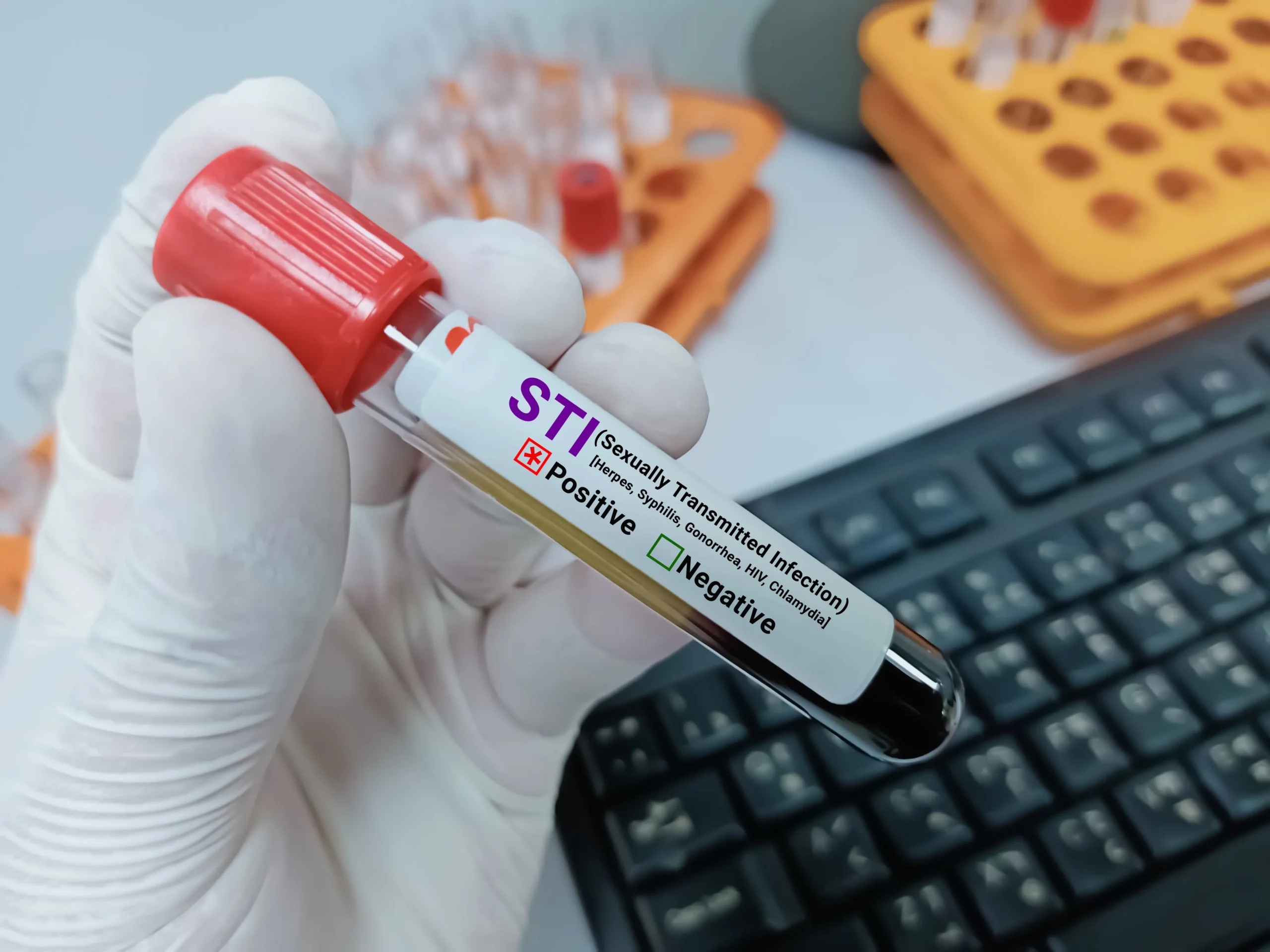
Cons of clinic testing (the real-world barriers)
Even when clinic testing is medically ideal, real life can make it hard.
Common barriers:
- Time and logistics (travel, scheduling, wait times)
- Privacy anxiety (walking into a clinic can feel exposing)
- Discomfort if you’re symptomatic (waiting rooms aren’t fun when you feel unwell)
- Cost uncertainty (especially if you’re using insurance and worried about billing)
None of these are “excuses.” They’re real reasons people delay care, and delaying care is exactly what we’re trying to avoid.
The rise of at-home STI testing (why it’s becoming the default for many)
At-home testing has grown because it removes friction. For routine screening, many people prefer testing on their own schedule.
What’s inside a typical kit (varies by panel):
- Instructions + collection materials
- A return mailer
- Labels and packaging for safe transport
Common sample types:
- Swab (genital, sometimes throat/rectal depending on kit)
- Urine sample
- Finger-prick blood spot (often for certain infections)
How at-home testing works, step-by-step:
- Choose a panel
- Kit ships in discreet packaging
- Collect sample(s) using instructions
- Mail/return to the lab
- Receive results securely online
Pros of STI testing at home (best-fit scenarios)
STI testing at home can be a great fit when privacy and convenience are the main barriers to getting tested.
Pros:
- Privacy and discretion (no waiting room, discreet packaging)
- Convenience (test on your schedule)
- More comfortable if you don’t like talking about it in person
- Results may be fast (it depends on the vendor and shipping time)
- It’s also an option for those who wish to have STI tests conducted privately.
Cons/limitations of at-home STI test kits (what to watch for)
While home testing has its advantages, it’s certainly not suitable in every case.
Limitations to watch:
- Coverage varies: not every kit tests for every STI, always check the panel
Follow-up support differs:
- Some services connect you to clinicians and treatment
- Others give results only and you arrange care yourself
Not ideal for certain situations:
- Severe symptoms or pelvic pain
- Sores that need an exam
- Situations that may require urgent care
If your body is telling you something is wrong, don’t force at-home testing to be the answer. A clinic visit may be the safer move.
Accuracy: are at-home tests “as accurate” as clinic tests?
This is the question most people care about, and the honest answer is: it depends, but you can make it reliable.
Accuracy depends on:
- Correct sample collection (following instructions exactly)
- Timing (window periods matter, testing too early can miss infections)
- Lab quality and test type (certified labs and validated tests matter)
- Testing the correct site (throat/rectal/genital based on exposure)
Practical reassurance: many at-home options use lab testing similar to what clinics use. The biggest difference is that you are responsible for collection, so being careful matters.
“Which is better for you?” decision guide
Use this quick guide to decide without overthinking.
Choose clinic testing if:
- You have symptoms that may require an exam
- You want the broadest testing menu in one visit
- You want immediate in-person support and treatment pathways
Choose at-home testing if:
- You want privacy and convenience
- You’re doing routine screening
- You want online STD testing with discreet delivery and secure results
If you’re still unsure, you can start with at-home screening for routine checks, and move to a clinic if anything comes back positive or symptoms escalate.
What to do after results (both paths)
If negative
A negative result is a great baseline, not a lifetime guarantee.
Next steps:
- Retest based on your risk and new partners
- Keep prevention habits that work for you (condoms when you want them, communication, routine screening)
- If symptoms continue, follow up anyway (not all symptoms are STIs)
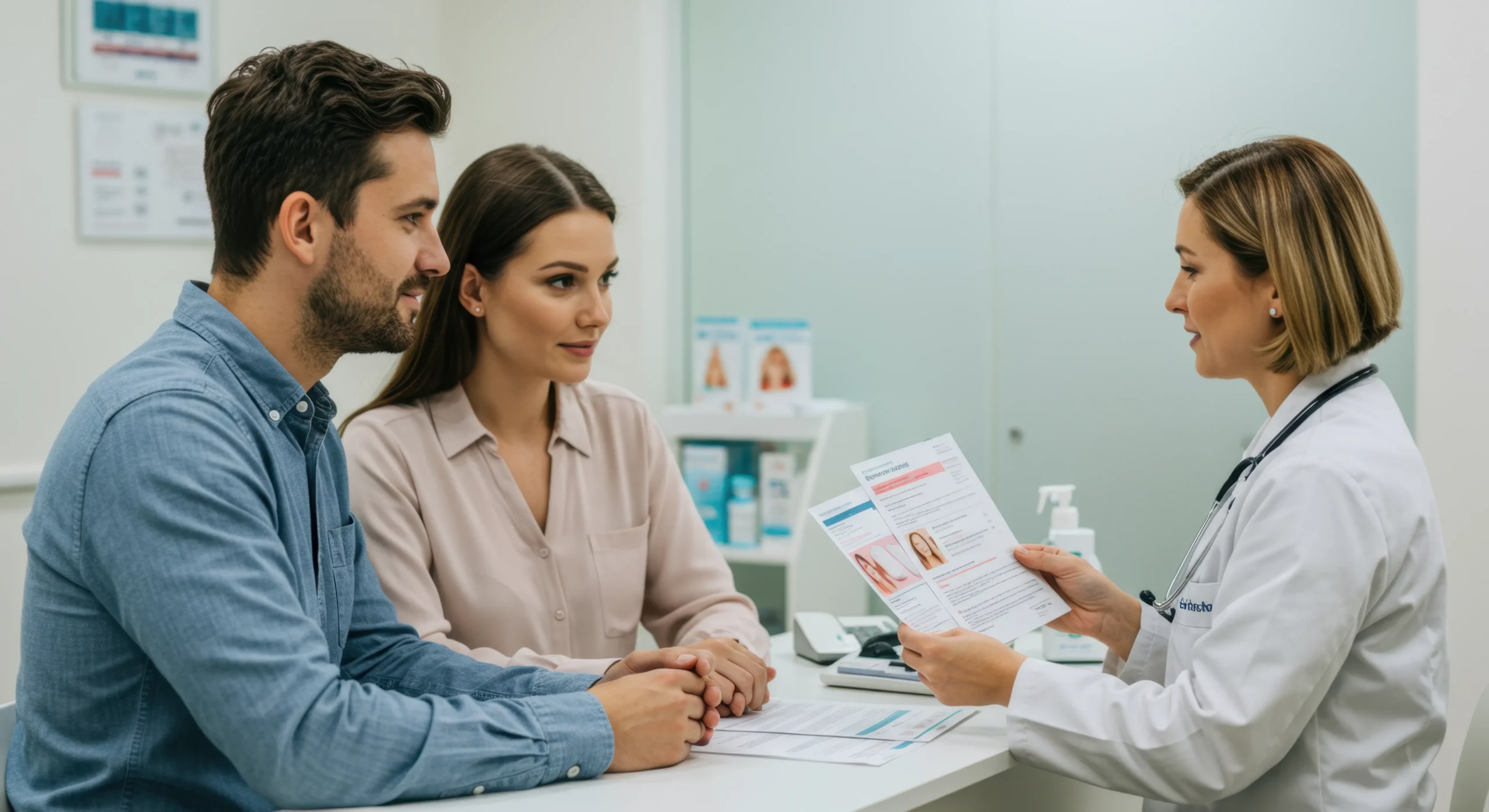
If positive
First: don’t panic. This is exactly why testing exists.
Next steps may include:
- Confirmatory testing (if recommended)
- Treatment options (clinic or telehealth depending on infection and local rules)
- Partner notification basics (so you prevent reinfection)
- Retesting after treatment when recommended
This is also why confidential STI testing matters, it helps people act sooner, with less fear and less delay.
FAQs
1. What does an STI test kit usually test for?
It depends on the panel. Many include common infections like chlamydia and gonorrhea, and some include HIV and syphilis. Always check what’s included.
2. Is online STD testing private?
Many services are designed for privacy with discreet shipping and secure portals, but privacy policies vary, so it’s worth reviewing them.
3. Can I do STI testing at home if I have symptoms?
You can, but if symptoms are severe, painful, or involve sores or pelvic pain, clinic testing and an exam may be the better choice.
4. How fast do results come back?
It depends on shipping and lab processing. Many services provide results within a few days after the lab receives your sample.
5. What if I need treatment after an at-home test?
Some services connect you to clinicians; otherwise you can take results to a clinic or your doctor for treatment and follow-up guidance.
Want Private Testing Without the Clinic Visit?
Choose a discreet STI test kit and get online STD testing with confidential STI testing results you can access securely.