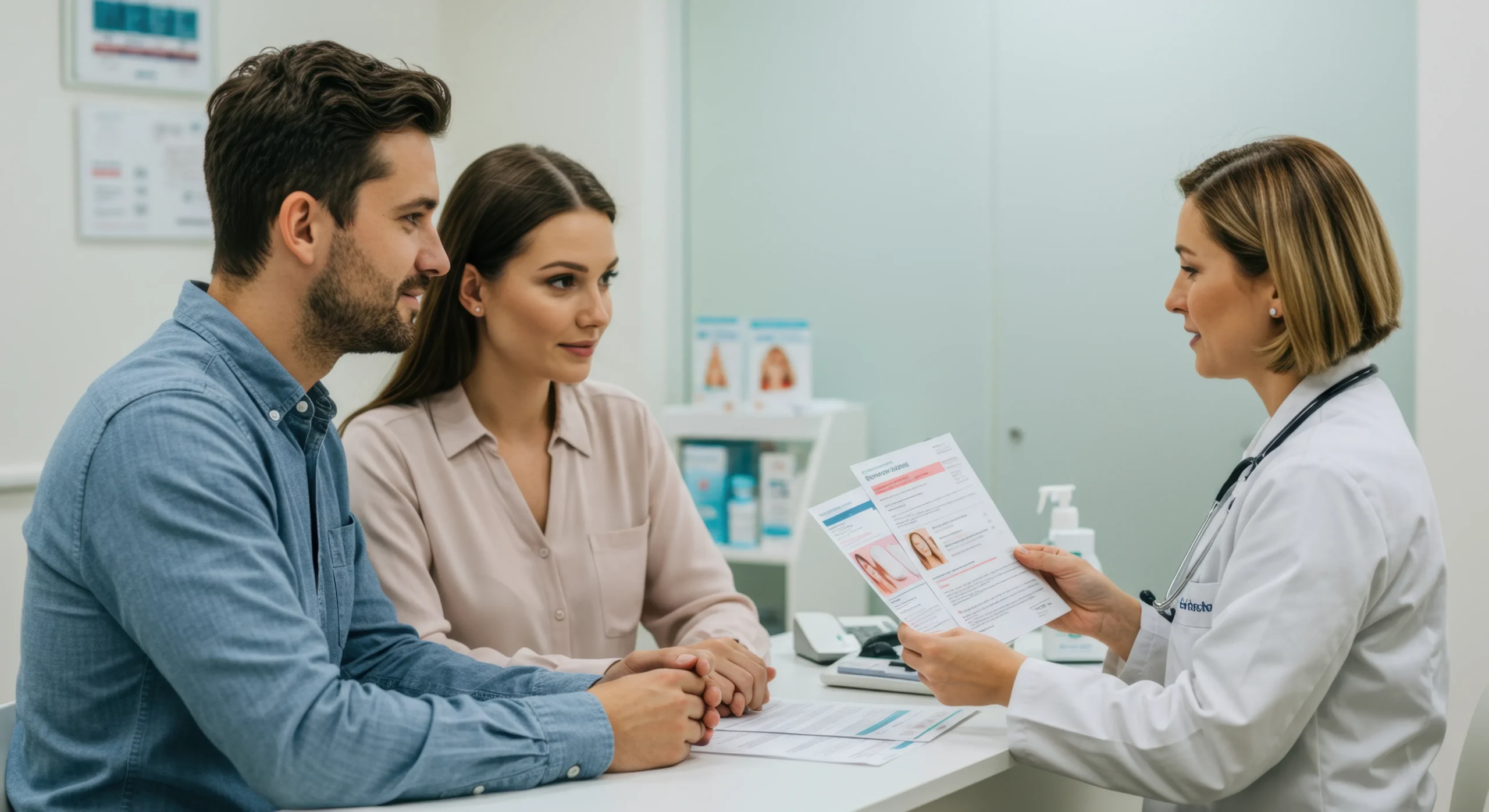
If you’re considering PEP, the clock matters, but don’t panic. After a possible HIV exposure, most people lose time searching, second-guessing, and waiting for symptoms. The problem is: PEP is time-sensitive, and waiting “just to see” can cost you the window when it’s most effective.
In this guide, we’ll explain how soon you should start PEP, what counts as an exposure, where to go today, and what to do after PEP to stay protected long-term. We’ll also cover how prevention support can look after the emergency is over, including Private PrEP consultations, practical consistency tools like Discreet PrEP home delivery, and what people mean when they ask about a same-day PrEP prescription. If you’re looking into Private PrEP consultations after a stressful situation, the goal is to turn urgency into a plan you can actually maintain.
Quick answer: How soon after exposure should you start PEP?
Clear takeaway:
- Start PEP as soon as possible after a potential exposure.
- It’s most effective the sooner it’s started.
- There is a strict time window, if you’re within it, treat it as urgent.
Practical line:
- If you’re unsure, go now and let a clinician assess.
- Don’t wait for symptoms. HIV often has no immediate symptoms, and PEP is about acting before infection can establish.
What is PEP (and what it’s not)?
PEP stands for post-exposure prophylaxis.
It’s a short course of HIV medicines taken after a possible exposure to reduce the chance of infection.

PEP is not the same as:
- PrEP (pre-exposure prevention)
- HIV treatment for people living with HIV
Why this matters:
- PEP is for emergencies.
- PrEP is for ongoing prevention.
What counts as a “possible HIV exposure” that may warrant PEP?
This isn’t about judgment, it’s about risk + timing.
Examples that may warrant evaluation for PEP:
- Condom break or slip during sex
- Sex without a condom with a partner of unknown status
- Sharing needles or injection equipment
- Sexual assault (you deserve immediate care and support, clinicians can help with both medical steps and resources)
Quick clarification:
- Not every situation is high risk, but timing is too important to “wait and see.” If you’re unsure, get evaluated.
Why timing matters: how PEP works (simple science)
Here’s the high-level reason the clock matters:
- HIV requires time to become established within the body.
- It is through PEP that the HIV virus becomes inhibited, but it requires immediate action.
- This is because the later the PEP treatment starts, the lesser its chances of being successful.
- PEP is therefore a last-minute response rather than something that you can catch up on later.
What to do immediately after a possible exposure (action checklist)
If you’re anxious, a checklist helps. Here’s the simplest plan:
Step 1: Don’t wait for symptoms
Step 2: Go to urgent care, ER, or a sexual health clinic right away
Step 3: Be ready to share:
- when the exposure happened
- what happened (type of exposure)
- any symptoms (if present)
- medications and health history
Step 4: Ask about baseline testing and your follow-up plan
The goal is speed + accuracy, not perfect wording. Just tell the truth and let the clinician guide the rest.
Where to get PEP fast (same-day options)
This section is “today-focused,” because that’s what matters most.
1) Emergency room (ER)
Often the fastest route:
- After hours
- Weekends
- When you need immediate evaluation
2) Urgent care
May be able to evaluate and prescribe quickly, but it varies by location.
If you call ahead, ask:
- “Do you evaluate for HIV PEP and prescribe same day?”
3) Sexual health / HIV clinics
Often experienced with:
- PEP workflows
- Follow-up testing
- Transition planning after PEP
If one is open near you, this can be a great option.
4) Telehealth triage (when available)
Some services can assess quickly and direct you to the fastest path.
Important nuance:
- Telehealth may still send you in-person for immediate medication access, because speed matters.
What happens at the appointment: tests, prescription, and first dose
Here’s what most people can expect:
- Clinician assesses exposure risk + timing
- Baseline HIV test and other labs (high-level)
- Starting medication quickly is the priority
Set expectations:
- A prescription can be provided right away for the first dose or a starter pack.
In case you wonder whether a prescription of PrEP can be provided on the same day, you should understand that while there is a difference between PEP and PrEP, the priority will be given to the former first.
How long is PEP taken, and how should one adhere to it?
PEP is taken daily for a complete regimen. The period of time and guidelines are provided by your clinician.
Why adherence is important:
- Adherence is crucial to increase the chances of efficacy.
Tips for adhering to PPE:
- Set phone reminders
- Take it with a daily habit (coffee, brushing teeth, dinner)
- Plan refills early if needed
If you miss a dose:
- Don’t panic; contact your provider for guidance.
Side effects: what’s common vs. what needs urgent attention
Common side effects (high-level) may include:
- Nausea
- Fatigue
- Headache
- Stomach upset
What to do:
- Never stop medication without medical advice.
- Discuss side effect treatment choices.
Go for emergency care when:
- You have serious adverse effects or symptoms that seem life-threatening or worsening quickly.
Post-exposure prophylaxis follow-up: testing and prevention strategies
Follow-up is integral to the plan, not just an add-on.
Follow-up usually entails:
- Repeat HIV testing on a provider-guided schedule
- STI testing may be recommended depending on exposure
If you anticipate ongoing risk:
- Ask about transitioning to PrEP after PEP (the “PEP-to-PrEP” idea).
After PEP: how to prevent future emergencies (PrEP next steps)
If you needed PEP once, it doesn’t mean you did anything wrong. It may simply mean you’d benefit from a prevention plan that doesn’t rely on emergencies.
Next steps may include:
- Reviewing your risk and lifestyle with a clinician
- Selecting a PrEP choice that suits your schedule
- Creating a testing/follow-up schedule you can realistically adhere to
Private PrEP consultations can assist you in determining whether PrEP is right for you, discussing your experiences with scenarios in which PrEP use would be difficult, and developing a realistic rather than overwhelming plan.
Consistency is important as well:
- Refill gaps are among the most frequent challenges encountered.
- A discreet home-based PrEP supply can help avoid problems during refilling and ensure consistency, particularly when pharmacy visits may be difficult for some individuals.
And sure, you can always ask about:
- Availability of the PrEP prescription on the same day, once you’re eligible for it.
Conclusion
Act fast now, build a prevention plan next. Seeking PEP quickly is the right move. Then, once the urgent moment passes, you can set yourself up so you’re not stuck in crisis mode again.
FAQs
1. What if I’m close to the time window, should I still try?
Yes. If you’re close to the window (or unsure), treat it as urgent and get evaluated immediately. Let a clinician assess rather than self-disqualifying.
2. Can I start PEP the same day I seek care?
Often, yes. Many clinics, urgent cares, and ERs can evaluate you and start PEP the same day based on timing and risk assessment.
3. After PEP, how do Private PrEP consultations help me get a same-day PrEP prescription and options like Discreet PrEP home delivery?
They help you transition from emergency prevention to a long-term plan by reviewing your testing timeline, confirming when it’s safe to start PrEP, and setting up a routine that supports adherence, including refill strategies and delivery options where available.
Think you may have been exposed? The safest move is the fastest move.
Start PEP as soon as possible, then follow up with Private PrEP consultations to plan long-term protection, including options like Discreet PrEP home delivery and a same-day PrEP prescription when clinically appropriate.