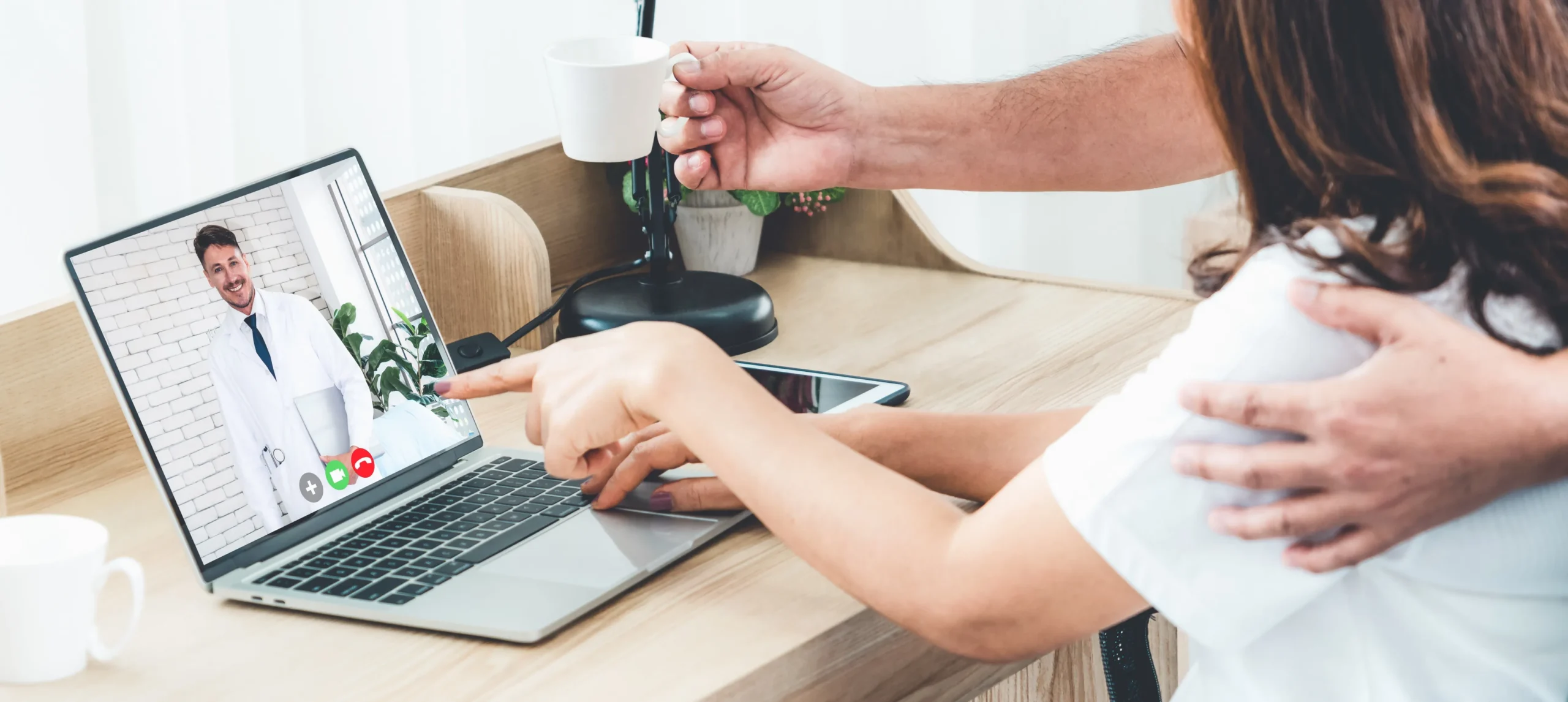
Privacy is the #1 question people have about PrEP online, and for good reason. A lot of people want PrEP, but they don’t want a waiting room, awkward questions, or paper trails they can’t control. They want prevention to feel private, normal, and low-friction.
The purpose of this guide is to explain the concept of confidentiality in an online PrEP program, what information is confidential, what kind of information may be disclosed (insurance, pharmacy, shipping), and how to pick the reliable online PrEP provider. We will also discuss what you may expect from a telemedicine consultation for PrEP, how an online PrEP prescription looks like, and what distinguishes a privacy-focused platform from other providers who use a term “confidential” in their marketing strategies.
Quick answer: Is online PrEP care confidential?
Yes, it can be highly confidential when it’s done through a reputable provider with secure systems and clear policies.
But here’s the nuance: confidentiality depends on more than the telehealth visit itself. It also depends on:
- The provider’s privacy practices and communication systems
- How labs are handled and how results are delivered
- Whether you use insurance (and what shows up on statements)
- Pharmacy records and prescription labeling
- Shipping and delivery processes (if meds are delivered)
So the real answer is: online PrEP can be confidential, but you should verify the details before you start.
Confidential vs private vs anonymous (important distinctions)
People often use these words interchangeably, but they’re not the same, and misunderstanding them is where surprises happen.
- Confidential: your health information is protected and shared only as allowed or needed for care (and as required by law).
- Private: the experience is discreet, packaging, communications, minimal exposure.
- Anonymous: limited or no identifying info (rare in medical prescribing contexts).
Why this matters: most PrEP care is “confidential,” not truly “anonymous,” because prescribing medication safely requires identity verification, labs, and clinical documentation.

What information an online PrEP provider typically collects (and why)
This part can feel uncomfortable if you’re privacy-first, but it’s normal clinical practice, not “extra tracking.”
Most providers collect:
- Identity and contact information (to provide care safely)
- Health history and medications (to avoid contraindications)
- Lab results (to confirm you can start safely)
- Delivery address (if applicable)
Reassurance: these are standard requirements for medical prescribing and monitoring.
Where confidentiality can leak in real life (and how to prevent surprises)
This is the section most people are really looking for, because the “leaks” usually happen outside the actual appointment.
1) The virtual PrEP consultation (video, phone, messaging)
What to check and ask:
- Is the portal secure?
- Can I message a clinician privately?
- Do you send texts or emails, and can I control notifications?
Practical privacy tips:
- Choose a quiet space
- Use headphones
- Confirm your contact preferences (email vs text, subject lines, notification settings)
2) Lab testing (local labs or at-home collection)
Labs are a required part of safe PrEP care, but they also involve additional systems.
What to check:
- Who receives results first, the lab, the provider, or both?
- How are results delivered (secure portal vs email)?
- Are lab partners reputable and secure?
Tip: Ask how they handle sensitive results and follow-ups, especially if something requires quick action.
3) Insurance and billing (EOBs, claims, statements)
This is the biggest “surprise zone” for many people.
The reality:
- Insurance often generates an Explanation of Benefits (EOB)
- EOBs can include service descriptions that someone else might see if they have access to your insurance account or mail
What to ask:
- What will show up on insurance paperwork?
- Are self-pay options available?
- Can billing descriptors be discreet?
Simple decision note: Privacy-first users sometimes prefer self-pay, depending on their situation and who can view their insurance documents.
4) Pharmacy records and prescription labeling
A PrEP prescription is still a prescription record, whether it’s online or in-person.
What to ask:
- Which pharmacy fills it?
- Can I choose pharmacy pickup vs shipping?
- What name appears on labels and receipts?
5) Shipping and home delivery (if offered)
If delivery is offered, “discreet” should mean something specific, not vague.
Discreet should include:
- Plain packaging
- No revealing branding
- Tracking and delivery controls
What to ask:
- Does the package show the provider name?
- Can I ship to an alternate address?
- What happens if a package is delayed or misdelivered?
What the best PrEP telehealth service should offer for privacy
If you’re comparing providers, here’s what “privacy-first” should look like in practice.
Look for:
- Secure patient portal and encrypted communication
- Clear privacy policy and data handling practices
- Control over notifications (email/text)
- Transparent billing options (insurance vs self-pay)
- Discreet shipping standards (if delivery is offered)
- Minimal data collection beyond what’s necessary for care
- Responsive support if something goes wrong (billing questions, misdelivery, etc.)
Red flags: signs an online PrEP provider may not protect confidentiality
If you see these, pause.
Red flags:
- Vague or hard-to-find privacy policy
- Unsecured communication (sending sensitive info via plain email/text without controls)
- No clear lab/testing workflow
- No transparency about billing descriptors or insurance handling
- Overpromising “anonymous PrEP prescriptions” without explaining how that works legally and clinically
Reader checklist: Questions to ask before you start
Use this list to screen providers quickly:
- “How do you protect my data and communications?”
- “How will my lab results be shared with me?”
- “What will show up on insurance statements if I use coverage?”
- “Is self-pay available, and what will the charge descriptor say?”
- “How discreet is shipping, and what appears on the package?”
- “Can I choose pharmacy pickup instead?”
- “During my virtual PrEP consultation, can I control how you contact me?”
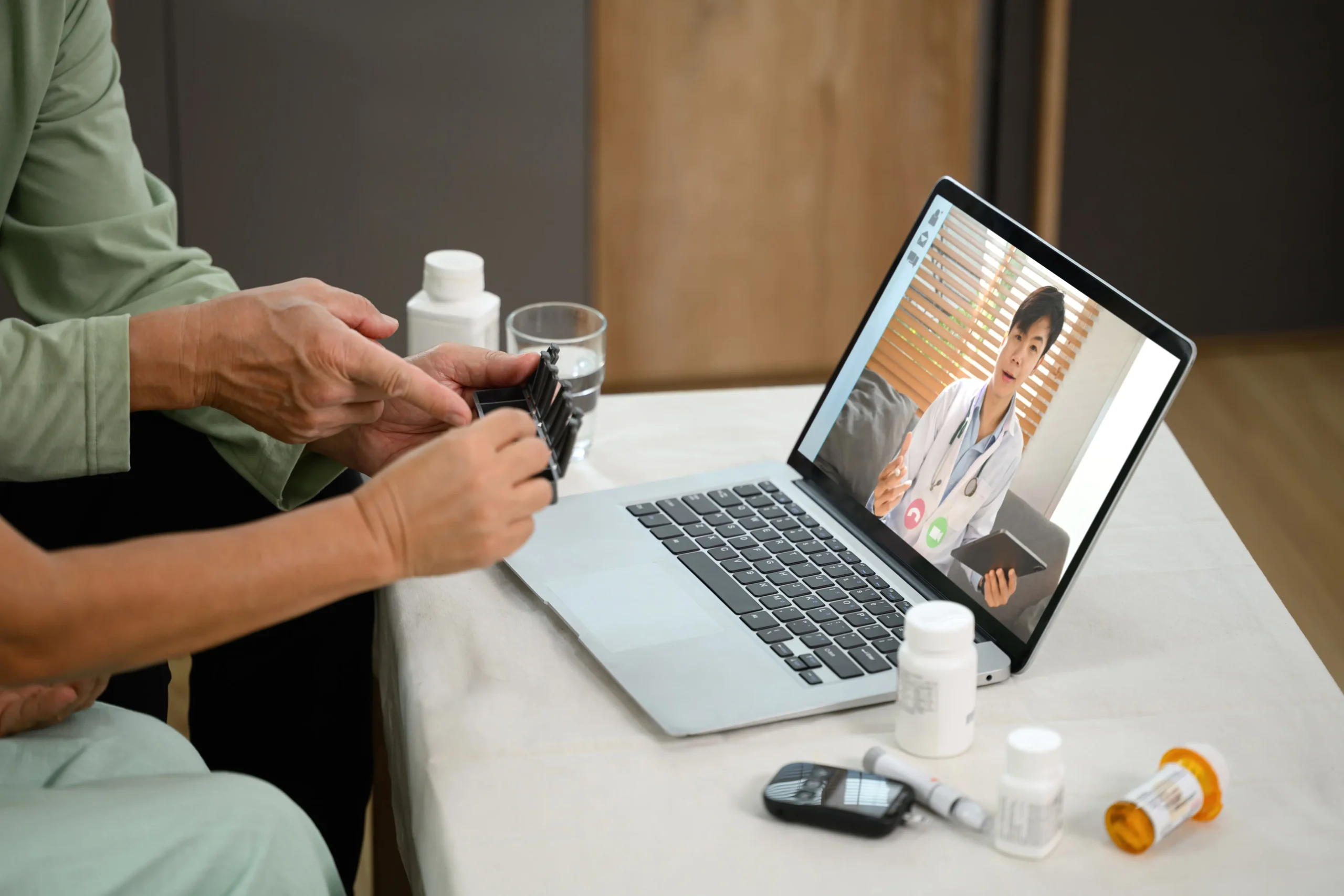
Conclusion
Confidentiality is real in online care, but you should verify the details instead of assuming. The right provider will answer privacy questions clearly, without making you feel difficult for asking.
FAQs
1. Is a PrEP prescription online as confidential as an in-person prescription?
It can be. The confidentiality standards are similar, but practical privacy depends on insurance paperwork, pharmacy records, and how the provider communicates results and reminders.
2. What’s the most private way to use an online PrEP provider?
Usually: choose a provider with a secure portal, control over notifications, clear self-pay options, and discreet shipping or pharmacy pickup, depending on what creates the least exposure in your situation.
3. What makes the best PrEP telehealth service different from the rest?
Transparency and control: clear privacy policies, secure messaging, a defined lab workflow, and straightforward answers about insurance, billing descriptors, pharmacy handling, and shipping.
Want PrEP care that protects your privacy from consult to refill?
Choose an online PrEP provider that offers a secure virtual PrEP consultation, clear privacy policies, and a transparent path to a PrEP prescription online, so you can focus on prevention, not exposure.