
Since you may not have heard about PrEP in some time, you can get ready for the good news: PrEP now comes in more than just one form. There are different kinds of PrEP to choose from in the United States, and which one is best will depend on you.
And yes, PrEP treatment can still be simple. In this guide, you will learn about all the different types out there, what they’re like, and how to begin PrEP yourself in a simple and concise way, without getting too technical or scientific.
Quick Refresher: What is PrEP?
PrEP (short for pre-exposure prophylaxis) is an antiretroviral drug used in the form of pills as preventive treatment against contracting HIV.
Who May Benefit From PrEP:
- People with an HIV-positive partner
- People with new or multiple partners
- People who don’t always use condoms
- Anyone who wants stronger control over HIV prevention, even if their risk changes over time
Key Reminders:
- PrEP is preventive (not treatment for HIV)
- You need an HIV test before starting
- Follow-ups and routine monitoring are part of staying protected safely
PrEP vs PEP: Don’t Mix These Up
Although PrEP and PEP have a lot in common in terms of names, they are applied in completely opposite cases.
Comparison in Simple Terms:
- PrEP = ongoing prevention before exposure
- PEP = urgent, short-term medication after possible exposure
When to Consider PEP:
- When you think that you might be at risk of exposure to HIV
PEP should be administered within a short time frame, so you must visit a hospital if you feel you require PEP.

PrEP Benefits: Why People Choose It
People don’t choose PrEP because they’re careless. Most choose it because they want a realistic prevention plan.
PrEP can offer:
- Strong protection when taken as directed
- More control over your sexual health decisions
- Less anxiety around “what if” moments
- Options that fit different routines (pill vs injection-based schedules)
- Access pathways through insurance and assistance programs (availability varies)
Types of PrEP Treatment Available in the USA:
Type 1: Daily Oral PrEP (pill)
Daily oral PrEP is the most familiar option: a pill taken once a day.
Who It Fits Best:
- You like consistent routines
- You prefer pills over injections
- You want a method that doesn’t require frequent clinic visits beyond follow-ups
Pros:
- Straightforward once it becomes a habit
- Easy to continue while traveling
- No appointment schedule for dosing
Cons:
- Daily adherence matters
- Some people worry about privacy (pill bottles, roommates, family)
- Routine labs and follow-ups are still required
Monitoring Basics (High Level):
- HIV testing at follow-ups
- Other labs, depending on your clinician and medical history
Type 2: Long-Acting Injectable PrEP
If daily pills feel like a chore, long-acting PrEP injection can be a strong alternative for some people.
Who It Fits Best:
- You don’t want a daily pill routine
- You prefer scheduled clinic visits
- You like the idea of “set it up and stay on schedule.”
Pros:
- No daily pill to remember
- Can feel more private day-to-day
- A structured visit schedule can support consistency
Cons:
- You must keep appointments on time
- Access may depend on location and insurance coverage
- Follow-up requirements still apply
What to Expect at Visits:
- A quick check-in
- Testing as recommended by your provider
- The injection and scheduling the next visit
Type 3: Event-Driven / On-Demand PrEP (2-1-1) (Clinician-Guided)
Event-driven PrEP (often called 2-1-1) is timing-based dosing taken around sex, but it’s not for everyone and must be discussed with a provider.
What It is:
- A clinician-guided schedule designed for certain people in certain situations
Important Limitations:
- Not recommended for everyone
- Requires planning and accurate timing
- Not ideal if sex is unpredictable
Pros:
- Can reduce the number of doses for some people
- May feel more flexible for specific lifestyles
Cons:
- Planning required
- Easy to mess up without clear clinician guidance
- Not a fit for many people, depending on health and risk factors
How to Choose the Right PrEP Type
If you’re torn, don’t try to “perfectly research” your way into certainty. Use a simple decision framework and bring it to a clinician.
Consider:
- Lifestyle fit: daily habit vs scheduled visits vs planned dosing
- Comfort level: pills, injections, clinic visits
- Medical considerations: kidney health, other meds, clinician guidance
- Privacy + convenience needs: home life, travel, discretion
- Budget/insurance realities: what’s covered and what’s accessible
The best option is usually the one you can stick with consistently.
How to Get PrEP in the USA?
If you’re wondering where to start, PrEPtherapy is commonly accessed through:
- Primary care provider (good for continuity)
- Sexual health/STI clinics or HIV clinics (typically highly experienced with PrEP)
- Community clinics (can assist with cost issues)
- Telemedicine (privacy and convenience)
Is privacy important? Try telemedicine; it’s a nice way to get started, and most clinics are discreet anyway.
How to Get PrEP?
This is a general outline for the steps most people take:
- Select the care location (clinic or telehealth)
- Perform the intake/consultation
- Get required testing (HIV test + other labs depending on provider)
- Choose your PrEP option with a clinician
- Start medication and set a follow-up plan
- Refill + routine monitoring
This is designed to keep you safe, confirm you’re HIV-negative before starting, and make sure the option you choose fits your body and your life.
“How can I get PrEP?” Fastest Routes (Without Cutting Corners)
If speed matters, the fastest routes usually involve choosing a provider that can handle intake + labs quickly.
Same-Week Pathways may Include:
- Telehealth services using an efficient intake system (where available)
- Walk-in or public health clinics
- Specialized sexual health clinics that focus on HIV prevention
What You will Need:
- ID
- Insurance info (if you have it)
- Current medication list
- Your availability for labs and follow-ups
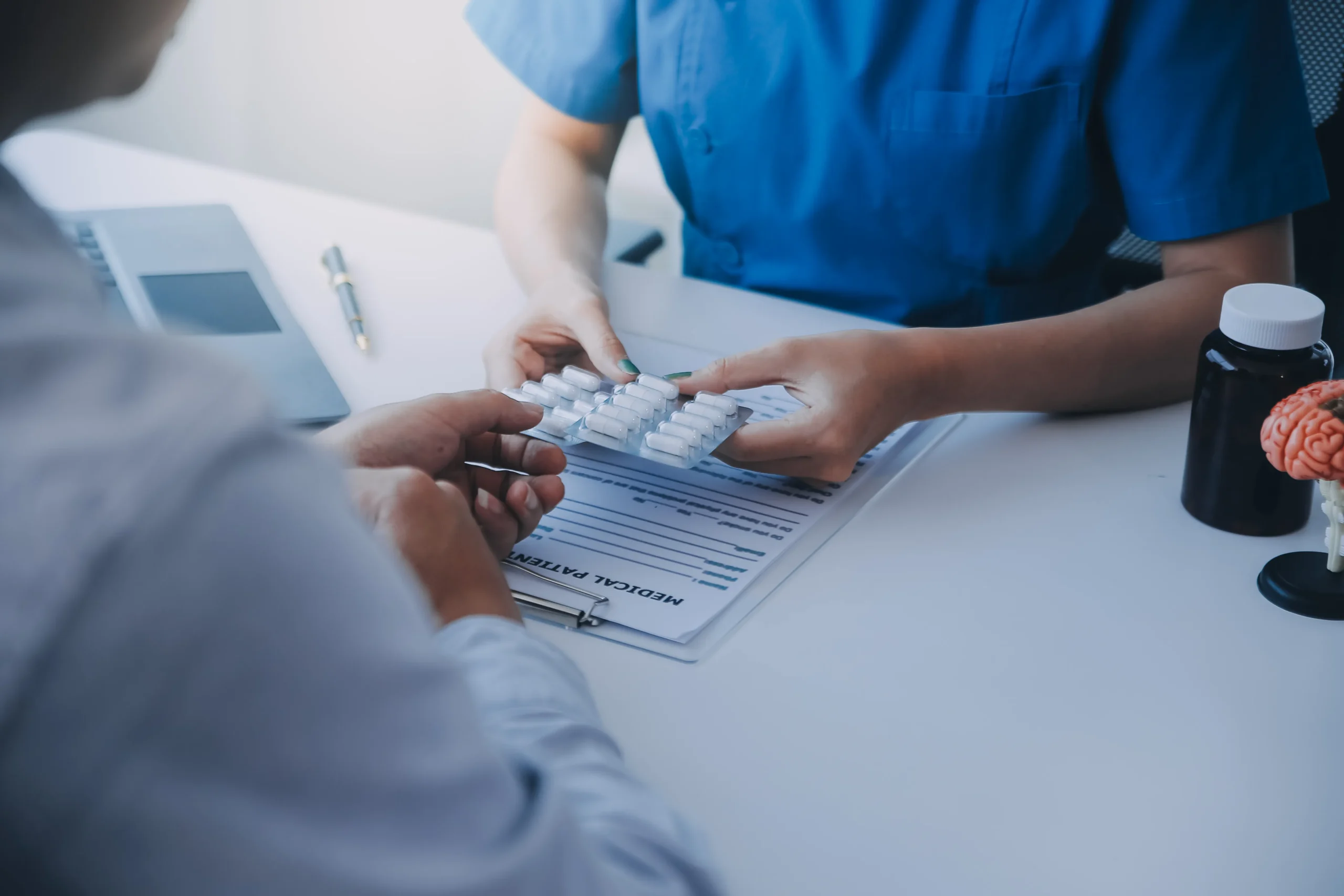
Cost + Coverage Basics
Cost is a common reason people delay starting, so it helps to ask about affordability upfront.
Costs may Include:
- Visit/consultation
- Labs
- Medication
- Follow-up appointments
Ways People Reduce Cost (High Level):
- Insurance coverage (varies by plan)
- Copay support programs (when applicable)
- Patient assistance programs
- Community clinics with sliding-scale options
FAQs
PrEP vs PEP: Which One Do I Need Right Now?
If you’re planning prevention before exposure, PrEP is the lane. If you had a possible exposure and need urgent help, ask about PEP immediately.
How to Get PrEP If I Don’t Have a Primary Doctor?
Sexual health clinics, community health centers, and telehealth services can often help you start without an established primary care provider.
Can I Switch Between PrEP Types?
In many cases, yes, but switching should be clinician-guided so timing, testing, and coverage stay safe and consistent.
You don’t have to figure out PrEP alone
Pick the path that feels easiest to start, talk with a provider, get tested, and let them match you to the option that fits your routine, comfort level, and access so that you can stay protected with confidence.