Online PrEP services make HIV prevention more convenient through remote consultations, coordinated lab testing, prescriptions, refills, and ongoing follow-ups. The key is choosing a provider that combines convenience with proper testing, licensed clinical care, privacy, and ongoing monitoring.
HIV prevention shouldn’t require rearranging your whole life. A lot of people want PrEP, they just don’t want the time, travel, and awkwardness that can come with traditional clinic visits. That’s exactly why online PrEP services have become such a popular option, they lower the friction that keeps people stuck in “I’ll do it later.”
In this guide, we’ll break down how online PrEP services work, why they’re genuinely more convenient (without cutting corners), and what to look for in a trustworthy online PrEP provider. If you’ve been curious about PrEP online or wondering whether PrEP telehealth is safe and legit, you’ll leave with a clear, step-by-step picture of what to expect.
Quick answer: What are online PrEP services?
Online PrEP services are telehealth-based programs that help you start and maintain PrEP with remote clinical support.
What “convenient” should mean (not “skipping safeguards”):
- Online intake (health history + basic screening)
- Virtual consult or clinician review
- Lab coordination (local lab partner or at-home options where available)
- Prescription + refill support
- Ongoing follow-ups and routine monitoring
Convenience is a system, not a shortcut.
Why convenience matters in HIV prevention (the real barriers online care solves)
1) Time and scheduling
Traditional clinics can mean:
- Limited hours
- Multiple appointments
- Time off work or school
Telehealth models often offer:
- Flexible scheduling
- Fewer unnecessary visits
- Clear next steps so you don’t stall out

2) Transportation and location
Online care can be a big help if:
- You don’t have a PrEP-friendly clinic nearby
- You live in a rural area
- You don’t want long drives, parking, or waiting rooms
3) Privacy and comfort
For many people, privacy is the whole point.
Online care can reduce:
- The fear of being seen in a waiting room
- The stress of awkward front-desk conversations
- The feeling of being judged
It can also give you more control over:
- How you’re contacted (portal, email, text)
- When you handle care steps (on your schedule)
4) “I don’t know where to start” confusion
A lot of people delay PrEP because the process feels unclear.
Online services often help by:
- Guiding you step-by-step
- Coordinating labs
- Sending reminders so you don’t fall off track
How PrEP online works (step-by-step convenience walkthrough)
Here’s the practical, scannable version.
Step 1: Start online intake (from your phone or laptop)
You’ll typically:
- Answer health history questions
- Share basic risk screening info (safety-focused, not judgmental)
- Choose contact preferences for privacy
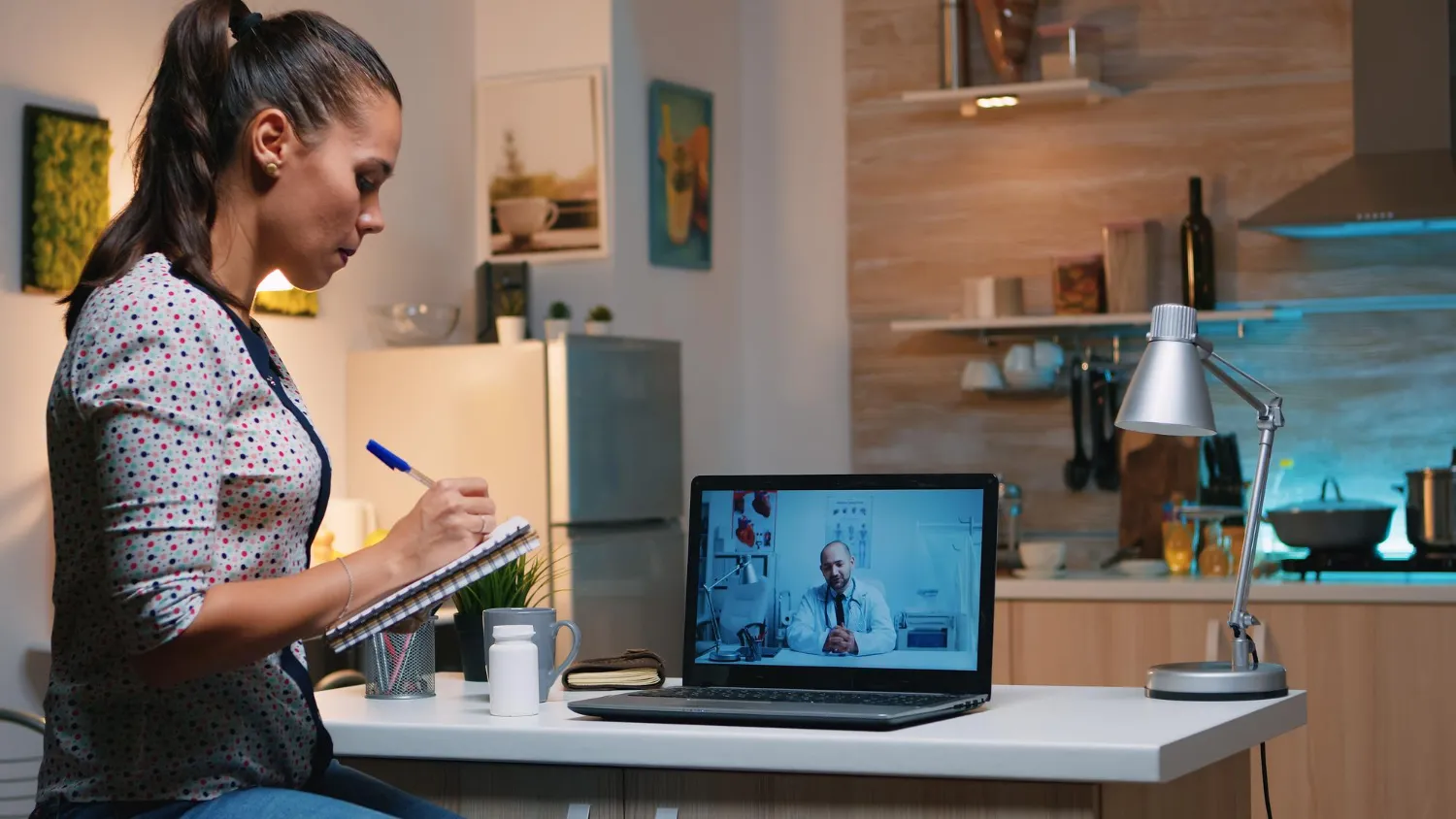
Step 2: Provider review or PrEP telehealth consult
A clinician checks:
- Medical history and current medications
- Whether PrEP is appropriate right now
- What tests are needed before starting
Step 3: Complete required lab testing (coordinated for you)
Labs matter because they:
- Confirm HIV-negative status before starting
- Check baseline health markers (high-level)
- Often include STI screening as recommended
Where labs may happen:
- Local lab partner, or
- At-home collection (if available, depending on service and location)
Step 4: Get your prescription (PrEP online)
After results:
- The provider reviews your labs
- If appropriate, they prescribe PrEP
Medication access may include:
- Pharmacy pickup, or
- Delivery (depending on service and location)
Step 5: Stay on track with refills and follow-ups
This is where convenience really pays off, because staying consistent is the goal.
Ongoing care typically includes:
- Routine check-ins
- Re-testing schedule (HIV testing + STI screening as recommended)
- Refill reminders and support to prevent gaps
What makes online PrEP services “actually convenient” (not just marketed that way)
Some providers are convenient in ads, but messy in real life. Here’s what to look for.
Real convenience signals:
- Fast, clear onboarding (you know what happens next)
- Transparent pricing and what’s included
- Easy lab scheduling (or at-home options where available)
- Simple refill process with proactive reminders
- Responsive support (real humans, not endless forms)
- Secure portal and discreet communication
Who benefits most from PrEP telehealth?
PrEP telehealth can be especially helpful for:
- Busy professionals and students
- People who travel often
- People in rural or underserved areas
- People who value discretion
- People who want a guided process instead of figuring it out alone
Common concerns about PrEP online (and straightforward answers)
“Is it safe to get PrEP online?”
It can be, if the provider uses licensed clinicians, requires appropriate labs, and has a clear follow-up plan.
“Do I still need labs?”
Yes. Labs are part of safe PrEP care, online or in-person.
“What if I have side effects or questions?”
A quality provider offers messaging support and clear guidance on what’s normal vs what needs a check-in.
“Is it private?”
It can be very private, but privacy depends on communication methods, labs, insurance paperwork, pharmacy records, and shipping practices.
“What if I miss doses or run out?”
A good provider has refill reminders and a clear plan for missed doses, and they’ll tell you when to use backup protection or contact a clinician.
Red flags to avoid when choosing online PrEP services
Avoid providers that:
- Skip HIV testing before prescribing
- Have no clear follow-up schedule
- Are vague about clinician oversight
- Hide fees or keep billing unclear
- Use weak privacy practices or unsecured communication
If it feels like “fast” is the only selling point, be cautious.
Conclusion
Convenience helps people start PrEP, but the bigger win is that it helps people stay consistent. Prevention works best when it fits your real schedule.
FAQs
1. What’s the difference between online PrEP services and a clinic?
The medication and safety steps are similar, but online services reduce friction by coordinating intake, telehealth consults, labs, and refills with fewer in-person visits.
2. Can I get PrEP online without an in-person appointment?
Often yes, depending on your situation and provider policies, but you’ll still need required lab testing.
3. How does PrEP telehealth handle labs and refills?
Many providers coordinate lab orders through local partners (or at-home options where available) and use reminders and follow-ups to keep refills and monitoring on schedule.
Want HIV prevention that fits your schedule, not the other way around?
Explore online PrEP services that make PrEP online simple with PrEP telehealth, guided steps, and an online PrEP provider built for privacy, consistency, and real-life convenience.