
Prevention of HIV infection nowadays is far from that seen a few years ago. HIV prevention in 2026 is more personalized, more accessible, and more discreet, but misinformation spreads fast and gets people stuck inside. It’s important to realize you have more choices now than before, including the one on HIV prevention online.
This guide covers what’s changed, what still matters, and how to take action with modern options like a confidential PrEP service and a telehealth PrEP provider. If you’ve been thinking about using Get PrEP Online but you didn’t know what it entailed, you are far from alone, and you shouldn’t have to wonder. In 2026, using Get PrEP Online could be an easy process that is driven by the clinician.
Quick refresher: HIV basics everyone should understand
You don’t need a medical background to understand the basics; you just need clear information.
What HIV is (high level)
Human immunodeficiency virus (HIV) is a virus that attacks the immune system of the human body. If left untreated, HIV can gradually damage the immune system.
Modes of transmission of HIV
HIV is usually spread through particular bodily fluids, including:
- Unprotected sex (where there is no use of a condom)
- Sharing injection equipment
- From parent to child during pregnancy, birth, or breastfeeding (without prevention and treatment)
What does not transmit HIV (quick myth-busters)
HIV is not spread through:
- Hugging, kissing, or casual contact
- Sharing toilets, utensils, or drinks
- Mosquito bites
- Sweat or tears (in everyday situations)
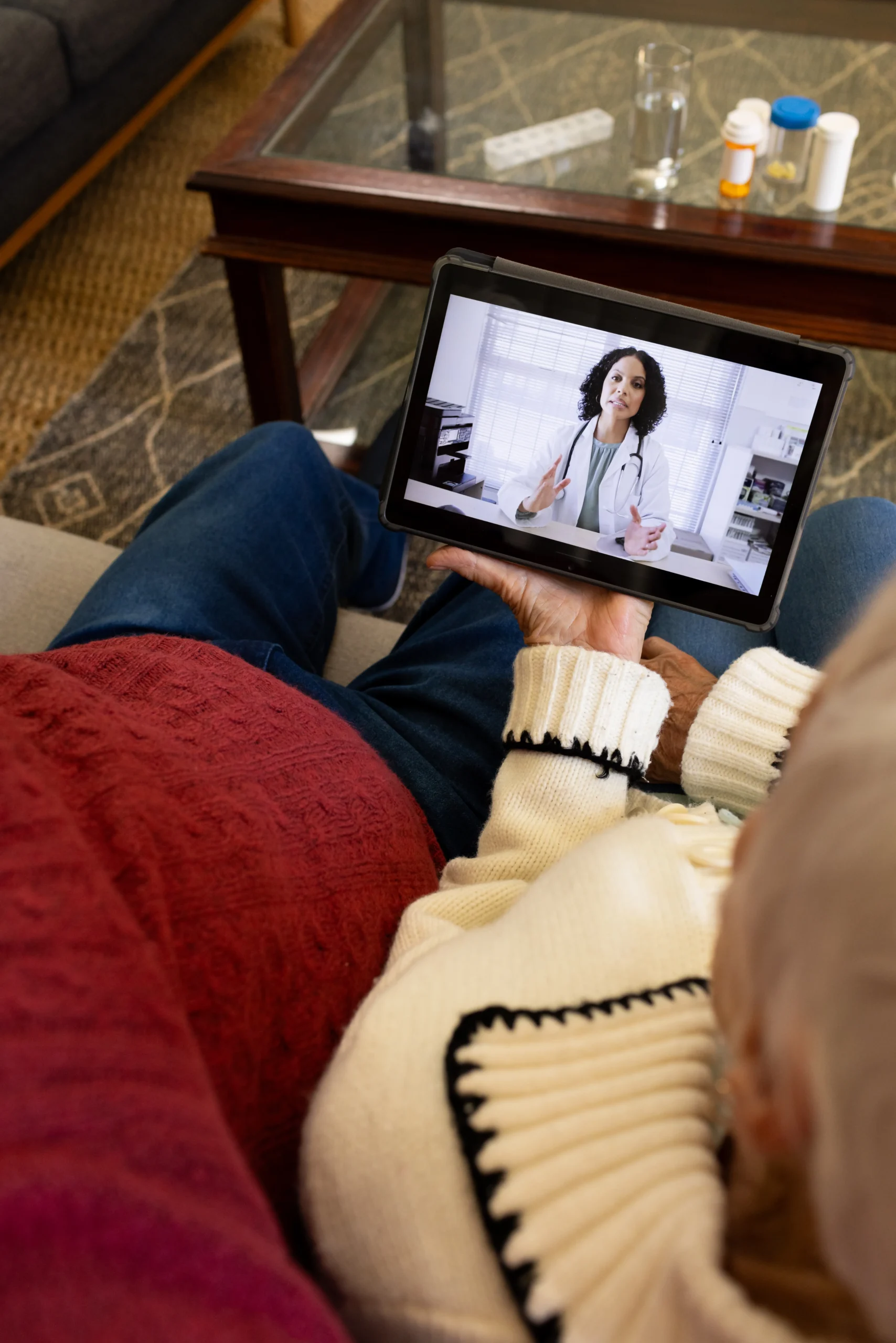
What’s new in 2026 (and what’s simply better understood now)
Some things are truly new, and some things are just more widely understood and easier to access.
What’s changed:
- Prevention is more mainstream and less clinic-dependent
- Faster access pathways exist (telehealth, streamlined labs, home delivery in some areas)
- More focus on privacy, convenience, and routine prevention habits
- Better public awareness of prevention tools (but still gaps and myths)
The biggest shift: prevention is increasingly designed around real life, not perfect schedules.
The 2026 HIV prevention toolkit: what actually reduces risk
The most realistic approach is “layers of protection,” not searching for one perfect solution.
1) Condoms and barrier methods (still relevant)
Strengths:
- Reduce HIV risk
- Reduce risk for many STIs
Limitations:
- They only work when used consistently and correctly, and real life isn’t always consistent
2) PrEP (pre-exposure prevention) as a cornerstone
PrEP is preventive medication for people who are HIV-negative. When taken as prescribed and monitored appropriately, it can significantly reduce the risk of getting HIV.
Why it’s central in 2026:
- It’s one of the most effective prevention tools available
- It fits into routine healthcare
- It pairs well with other prevention layers
3) PEP (post-exposure prevention) for emergencies
PEP is emergency medication taken after a possible exposure, and timing matters.
Key point: If you think an exposure happened recently, seek urgent care guidance immediately, don’t wait.
4) Testing as prevention
Knowing your status supports faster treatment and reduces transmission risk. Routine testing is a normal health habit, not a “something is wrong” signal.
5) Treatment as prevention (high-level)
When people living with HIV are on effective treatment and achieve viral suppression, transmission risk can be dramatically reduced. Keep it simple: treatment helps individuals and communities.
Who should think about PrEP in 2026? (practical, not identity-based)
PrEP isn’t about labels, it’s about situations.
PrEP may be worth discussing if any of these sound familiar:
- You have condomless sex sometimes
- You have new or multiple partners
- You don’t always know a partner’s HIV status
- You’ve had an STI recently
- You’re in a serodifferent relationship (one partner is HIV-positive)
- Your life circumstances are changing (dating again, travel, new relationship dynamics)
The modern access shift: how people prevent HIV in 2026 (online + in-person)
Traditional clinic-based prevention
Pros:
- In-person exams
- Hands-on support for complex needs
Cons:
- Time and travel
- Scheduling delays
- Stigma or discomfort for some people
Telehealth and online HIV prevention
A telehealth model often includes:
- Online intake
- Clinician review or consult
- Lab coordination
- Prescription support and refills
- Ongoing monitoring reminders
Why more people choose it in 2026:
- Convenience
- Privacy
- Faster onboarding for many people
What “confidential” should mean in 2026
Confidential should be more than a marketing word. Look for:
- Secure communication and records
- Clear privacy policies and patient control
- Discreet packaging when medications are delivered (where applicable)
Step-by-step: How to Get PrEP Online (what to expect)
Here’s the simple checklist you can follow.
- Decide you want proactive protection (and why)
- Start intake with a telehealth provider
- Complete required lab testing (HIV test + other baseline labs)
- Provider reviews results and prescribes if appropriate
- Begin your PrEP program and establish a regimen you can realistically follow
- Make sure you are on schedule for check-ups, prescriptions, and retesting

HIV prevention pitfalls in 2026 (and how to dodge them)
Despite advances in technology, people are still falling victim to the same traps.
Common mistakes:
- Waiting until you’re “sure” you’re at risk (instead of preventing)
- Skipping testing because you feel fine
- Assuming PrEP replaces condoms and STI testing
- Not having a plan for missed doses or refills
- Relying on social media myths instead of clinician guidance
How to avoid them:
- Treat prevention like routine healthcare
- Build a simple system (reminders, refills, testing schedule)
- Ask a clinician when you’re unsure instead of guessing
FAQs
1. What’s the easiest way to start online HIV prevention in 2026?
Choose a reputable provider, complete intake, follow the lab steps, and build a routine with reminders and follow-ups so you stay consistent.
2. Is a confidential PrEP service actually private?
It should be. Look for secure communication, clear privacy policies, and discreet processes, especially around records and medication delivery.
3. How do I Get PrEP Online with a telehealth PrEP provider?
Start with online intake, complete required labs, then a clinician reviews results and prescribes if appropriate. After that, follow-ups and routine testing keep it safe and effective.
Make HIV prevention part of your routine in 2026, not a last-minute scramble.
Choose a confidential PrEP service, connect with a telehealth PrEP provider, and Get PrEP Online with a plan that makes online HIV prevention feel simple, private, and doable.