
If you have been contemplating getting on PrEP, you have done the hard work of being concerned about your health and finding a way forward. Getting your protection against HIV should not be a complex process, and it should not require having an encyclopedic knowledge of everything involved.
This primer outlines how to get PrEP, from start to finish, explaining what happens at each stage, and which is the best path for you to take, depending on your priorities of time, confidentiality, money, or continued support.
Getting protected shouldn’t be complicated
PrEP is one of the most practical tools available for HIV prevention. People choose it for different reasons, but the theme is usually the same: they want strong protection and more control over their sexual health.
What you’ll learn here:
- The step-by-step process to start PrEP
- Common testing and follow-up procedures
- When deciding between in-person treatment and telemedicine
- Steps to accelerate your process if you are eager to start sooner
PrEP Overview and Purpose
PrEP is a prescribed medication that one takes as a way of protecting oneself from acquiring HIV infection.
Who needs PrEP?
Everyone who is at risk of exposure to HIV. PrEP is not based on one’s identity but on their risks; these risks may change throughout one’s lifetime.
Misconceptions:
- PrEP is a prevention tool, not a treatment
- PrEP does not cure HIV
- PrEP doesn’t prevent every STI; routine screening still matters
Set expectations:
- PrEP is prescription-based
- You’ll need an HIV test before starting
- Ongoing follow-ups are part of staying protected safely
PrEP vs PEP: know the difference before you start
It is vital to distinguish between PrEP vs PEP as these approaches are applied in different circumstances.
Comparison of approaches:
- PrEP involves taking preventive medication before potential exposure
- PEP involves taking a medication immediately after a potential exposure
Timing windows (general guidance):
- PEP is time-sensitive and works best when started as soon as possible after exposure
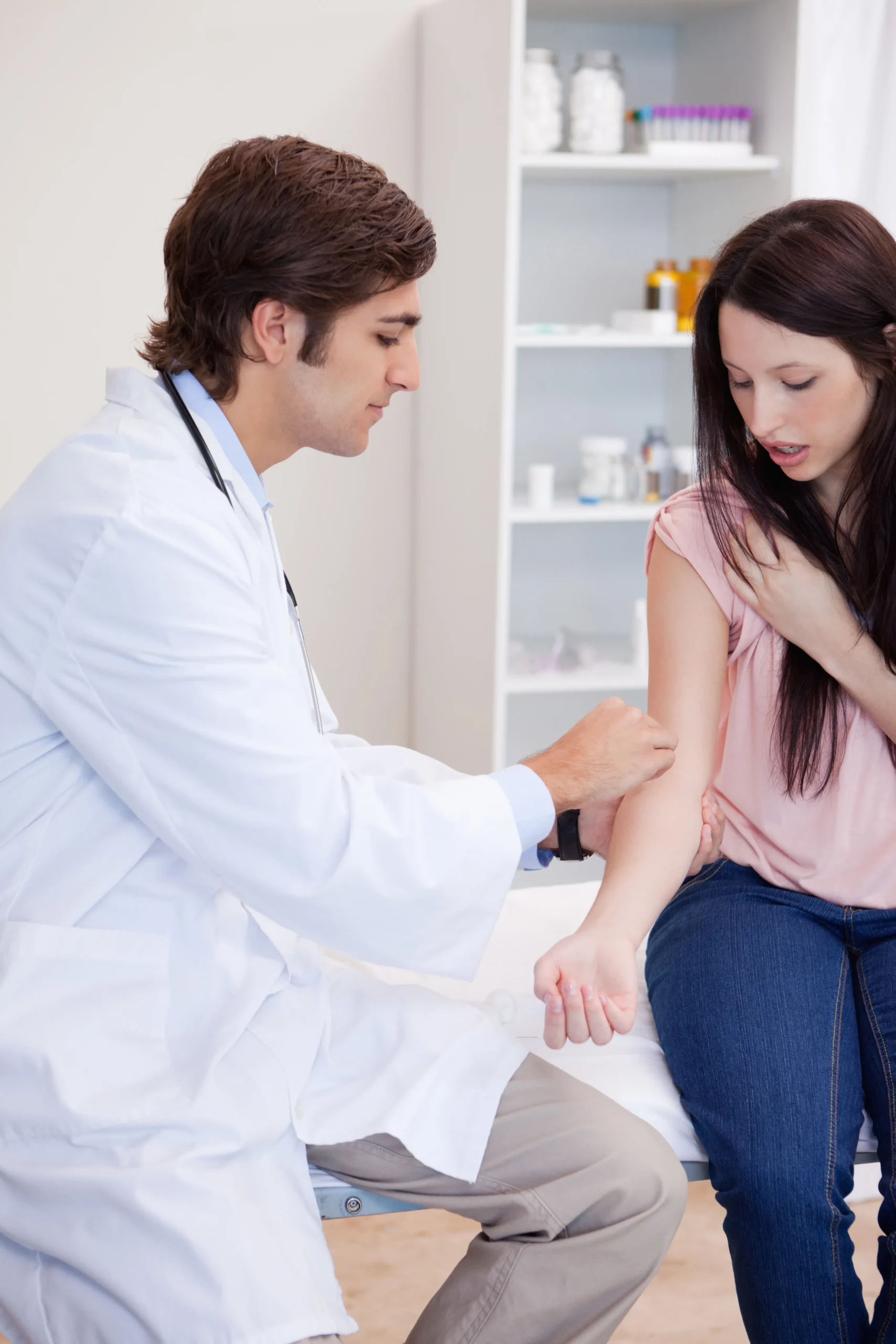
- If you think you need PEP, don’t wait to “research more”, go to urgent care, an ER, or a sexual health clinic right away
- If you start with PEP, a clinician can also guide you on whether transitioning to PrEP afterward makes sense for your situation
PrEP benefits: why people choose it
PrEP benefits go beyond “peace of mind,” though that’s a big one.
People often choose PrEP because it:
- Offers strong protection when taken as directed
- Helps reduce anxiety around HIV risk
- Gives you more control, especially when you can’t always control a partner’s choices
- Fits different lifestyles (daily pill options, and long-acting options in some settings)
- Supports confident decision-making, not fear-based decision-making
It’s not about being reckless. For many people, it’s about being realistic and PrEPared.
How to get PrEP: step-by-step (the full process)
Step 1: Decide where you want to get care
You can usually start PrEP through:
- Clinics that meet you face-to-face (general practitioner, sexual health clinics, community health clinics)
- Teledoc services (usually quicker and more discreet)
Depending on what you prefer:
- Quicker service: try Teledoc or walk-in sexual health clinics
- Discreetness: Try Teledoc and discreet prescription delivery
- Consistent care: general practitioner or specialized sexual health/HIV clinic
Step 2: Health intake/consultation
You’ll answer questions about:
- Your medical history
- Medications and supplements are being taken
- History of sexual health, including risk factors
- Symptoms that you are experiencing (if applicable)
Step 3: Testing before starting PrEP
Before initiation of therapy, HIV testing is mandatory. Most providers order further tests based on individual needs.
Testing often includes:
- HIV testing (required)
- Kidney function labs (common for certain PrEP options)
- STI screening (often recommended)
- Other labs as clinically appropriate
Step 4: Choose your PrEP option
Options can include daily oral PrEP and, in some areas, long-acting injectable PrEP. Availability varies by location, provider, and insurance.
Your clinician helps you decide based on:
- Your routine and adherence preferences
- Your medical history (for example, kidney health)
- Your comfort with pills vs clinic visits
- Your timeline and risk level
Step 5: Prescription + start plan
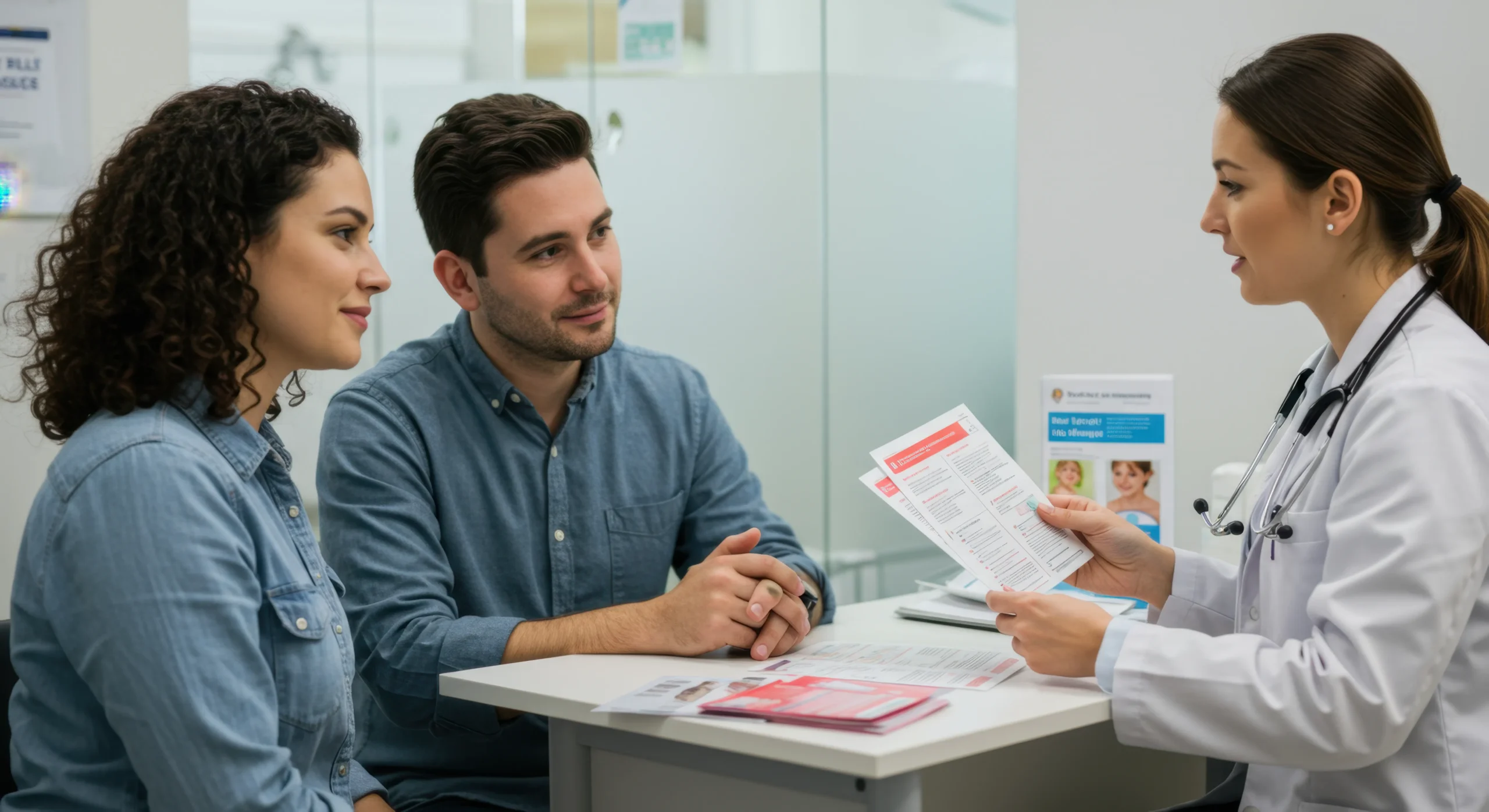
Once your clinician reviews results and confirms the plan, you’ll get a prescription and guidance on how to start.
Step 6: Prescriptions/Refills + Follow-Up
Follow-ups ensure that you remain HIV negative, test important health indicators where applicable, and keep your prescription valid.
What is the fastest way to get PrEP?
If speed is your priority, how can I get prep quickly? Usually, it comes down to choosing the most direct care pathway.
How to get PrEP in the USA: your main options
How to get PrEP in the USA depends on what’s accessible in your area, but most people start through one of these routes:
- Primary care doctor (good for continuity)
- Sexual health/HIV clinics (often very experienced and efficient)
- Community health centers (may offer affordability support)
- Telehealth services (privacy + convenience)
Money, insurance, and payment (addressing the greatest deterrent)
Costs may include:
- The consultation/visit
- Lab work
- Medication
What to expect after you start (so you stay on track)
Things to look out for:
- Mild nausea, headaches, or digestive disturbances (usually transient)
- If you have something persisting, speak to your doctor
Adherence strategies that will work for you:
- Associate your dosing with something you do daily (e.g., coffee)
- Use a phone reminder
- Keep a backup plan for travel days
FAQs
How to get PrEP without a primary care doctor?
You can often start through sexual health clinics, community health centers, or telehealth services without having an established primary care provider.
How can I get PrEP if I need privacy?
Telehealth plus discreet pharmacy pickup or delivery can be a privacy-friendly route, and many clinics are also very discreet and professional.
PrEP vs PEP: can I switch from one to the other?
In some situations, yes, but only under clinician guidance.
The right PrEP path is the one you’ll actually follow through on
Choose a provider, get tested, and start with a plan that fits your life, your privacy needs, and your timeline, then stay consistent with follow-ups so protection stays strong.