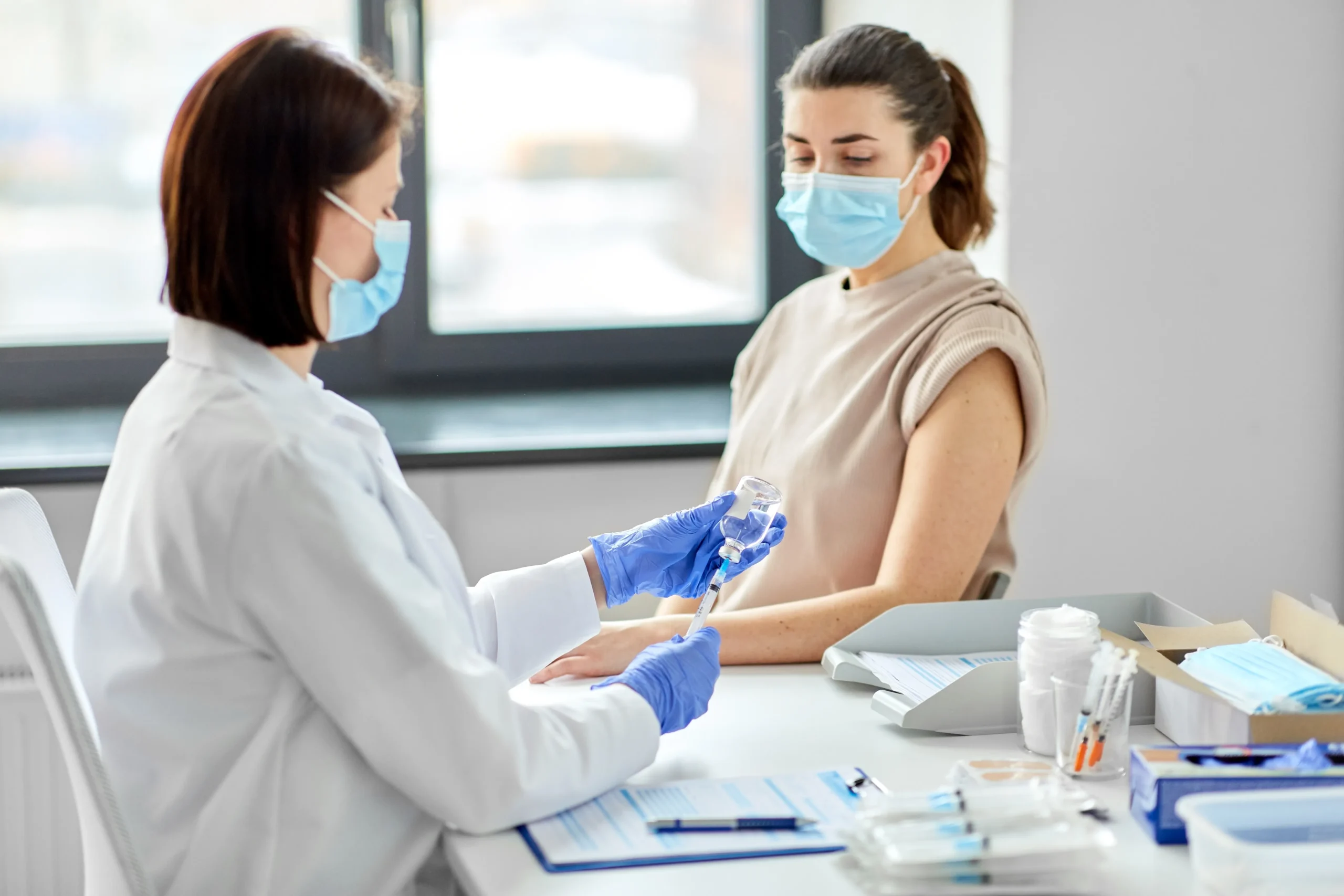
HIV testing isn’t a “scary moment”; it’s a health habit. The same way you’d check your blood pressure or get routine labs, testing is a proactive step that helps you take care of yourself and the people you’re close to.
HIV testing also matters because many people don’t know their status. When testing is delayed, care is delayed, and transmission risk can increase without anyone intending it. This HerMister guide will walk you through the benefits of knowing your status, what happens after you test, and how prevention tools can fit into your plan.
The importance of knowing your HIV status (the “why”)
Knowing your HIV status is one of the simplest forms of self-advocacy in healthcare.
Why it matters:
- HIV can be managed very well with early detection and treatment
- Testing supports your personal health and your partners’ health
- You can feel completely fine and still benefit from testing (symptoms aren’t a reliable signal)
Quick myth-bust: “I’d know if something was wrong.”
Not necessarily. Many people have no symptoms early on, which is exactly why testing is so valuable.
Testing is prevention (why it protects more than just you)
A test is more than just obtaining an outcome; it is what you can do afterward.
Knowing your HIV status enables you to:
- Make better decisions regarding sex and prevention
- Lower the risk of infecting other people
- Get into care early if needed, when outcomes are strongest
It’s one of those small actions that can create a big ripple effect.
Benefits of knowing your status (split by results)
If you test negative
A negative result can be a huge exhale. It gives you:
- Peace of mind and a clear baseline
- A moment to choose prevention tools if you have an ongoing risk
- A chance to build a plan that feels realistic, not perfect, just doable
If privacy and convenience matter, this is also where people start exploring options like get PrEP online through telehealth.
If you test positive
A positive result can feel heavy, but it’s also the start of support and effective care.

What early detection makes possible:
- Starting treatment sooner to protect long-term health
- Getting a clear care plan and clinical guidance
- Reducing stigma through facts: modern HIV care is effective, and you’re not alone
The most important thing to know: a positive test is not the end of your life; it’s the beginning of getting the right care.
How HIV testing is done (simple overview)
HIV testing is straightforward, and there are multiple ways to do it depending on where you go.
Common testing methods (high level):
- Rapid tests (often give results quickly)
- Lab-based blood tests (processed through a lab)
- At-home options (varies by region and provider)
Accuracy and accessibility:
- Testing is widely available and designed to be simple
- If you’re unsure which test you’re getting, you can ask; clinics are used to that question
What to expect during your test
Most tests involve:
- A quick intake (basic questions)
- Sample will be obtained using a finger prick, an oral swab, or a blood draw.
- Results could be immediate (rapid tests) or from lab processing.
How frequently do you need to be tested?
One way to look at testing is “baseline + routine”.
General guidance (high level):
- Most adults should test at least once
- People with higher ongoing risk may test more often
You may want more frequent testing if you have:
- New partners or multiple partners
- Condomless sex
- A partner whose status you don’t know
- A partner with other partners
The goal is to make it a simple habit, not a stressful event.
What happens after you test? (reduce fear, create clarity)
If you test negative
A negative result is a great time to build a prevention plan that matches your life.
Prevention planning can include:
- Condoms (when you want them)
- Routine STI screening
- Communication with partners
- PrEP if appropriate, especially if your risk is ongoing
If you want privacy + convenience, an online provider can help you explore PrEP without adding friction.
If you test positive
Most providers will:
- Do confirmatory testing
- Link you to care quickly
- Help you start treatment early
Early intervention is a means of protection from health risks. It not only protects you but also helps minimize the risk of transmission over time.
Where PrEP fits in (prevention after testing)
HIV tests act as a basis for making decisions on prevention. In cases where the test result comes out as negative and there is risk involved, taking up PrEP is advisable.
Many people choose PrEP because it:
- Adds strong protection when taken as directed
- Reduces anxiety around HIV prevention
- Gives you more control, especially when life isn’t predictable
Keyword integration (kept natural):
- Telehealth PrEP services can reduce barriers like scheduling and privacy concerns
- A clinician can evaluate whether a PrEP online prescription is appropriate for you
- Some people look for affordable PrEP online options when cost is a concern
How to get PrEP online (simple process snapshot)
If you’re considering telehealth, here’s the short, clear version of what the process often looks like.
Step-by-step mini flow:
- PrEP consultation online (health history, questions, risk assessment)
- Lab work/testing as required
- Prescription if appropriate
- Ongoing follow-ups and refills
Why people like this route:
- Privacy (no waiting room)
- Convenience (matches actual calendars)
- Continuity (makes it easier to stay current)
In picking an online PrEP provider, make sure that they provide testing, assessment by a health professional, and ongoing services.
Key takeaways
- Testing = awareness, prevention, and treatment
- Negative result = prevention planning opportunity
- Positive result = early treatment and support pathway
- Telehealth can reduce barriers to prevention access
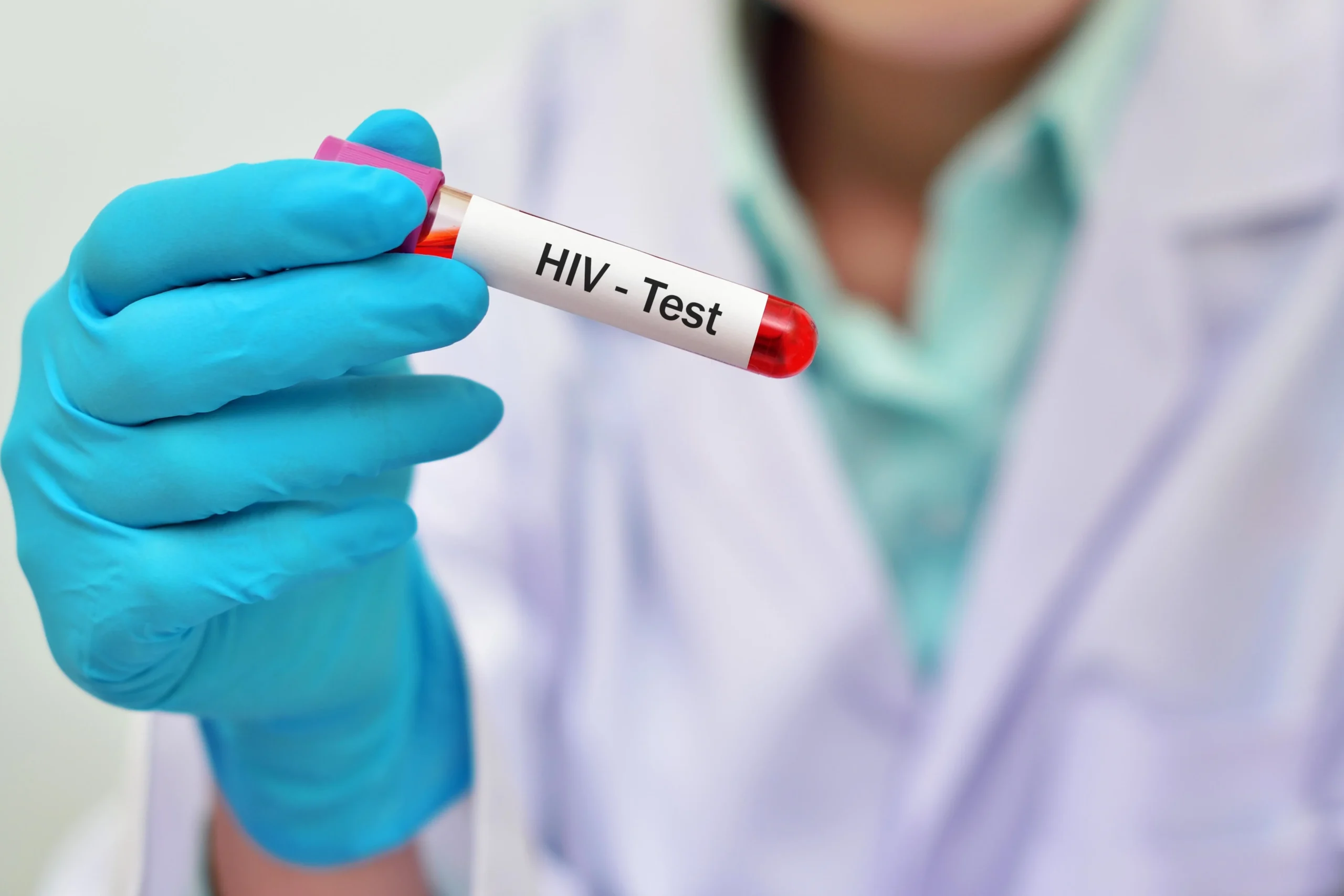
FAQs
Why test if I feel fine?
Because you can feel fine and still not know your status. Testing is how you replace guessing with clarity.
How often should I test?
It depends on your risk and partners. Many people test routinely, and your clinician can help you choose a schedule that fits your life.
Is HIV testing different from STD testing?
Yes. HIV testing is often part of a broader sexual health panel, but it’s its own test. Ask what’s included so you’re not assuming.
What happens if I test positive?
You’ll typically get confirmatory testing and quick linkage to care. Early treatment is effective, and support is available.
Can I get PrEP online and is it affordable?
In many cases, yes. Many services offer telehealth pathways and can help you explore coverage and assistance programs for affordability.
Know your status, protect your future
Testing gives you clarity, prevention gives you options, and support helps you stay consistent. Choose the path that fits your life and take the next step with confidence.