
PrEP is a medication that can change your life when it comes to preventing HIV, but that is ultimately your choice, and everyone isn’t going to have the same experience with it. Some need PrEP now, and others will feel better using it. If you ask yourself who should use PrEP, then you are asking a good question. If you ask yourself who should use PrEP because your life or routine has changed, you are certainly not alone.
The following information presents an easy way of comprehending the people who are commonly encouraged to use PrEP, the people who are currently not eligible, and the steps that one should take after this.
Quick refresher: What is PrEP medication?
What is PrEP? PrEP stands for pre-exposure prophylaxis. It is a form of preventive medicine for people without HIV who may have contact with the virus.
PrEP is a preventive mechanism that prevents the virus from infecting you.
Important points to remember regarding PrEP:
- Prevents HIV but not any other STIs
- Not a method of birth control
- Regular testing and checkups are necessary while using it
Who should take PrEP? (a simple way of understanding this question)
A simple way of approaching the question, “Who should consider PrEP?” would be to ask whether there is a potential risk of exposure to HIV in your actual world.
This is not about labels. It’s about situations, behaviors, and what you want your prevention plan to look like. The keyword people search for is “who should take PrEP,” but the real answer is: people who want more protection and more control based on their actual risk.
Groups and situations where PrEP is commonly recommended (high-risk scenarios)
A) People with condomless sex in the past 6 months
PrEP is commonly considered if you’ve had anal or vaginal sex without consistent condom use, especially when:
- Condom use is “sometimes” (not always)
- Partners’ HIV status is unknown
- You’re in a new dating phase and things are changing quickly
B) People diagnosed with an STI in the past 6 months
A recent STI can be a signal of higher exposure risk, not because anyone did anything “wrong,” but because it often reflects real-world patterns like:
- Inconsistent condom use
- Multiple partners
- New partners where status isn’t fully known yet
C) Individuals who are in a relationship with someone who has been diagnosed with HIV
Healthy relationships can definitely be formed among people with HIV-positive partners. There are even some people who feel more at ease when taking additional precautions by taking PrEP.
Positive fact to consider: If someone is taking drugs and has no viral loads detected, he/she falls under the category of “Undetectable = Untransmittable.” Nevertheless, some couples prefer the added security that comes from taking PrEP.
D) People who inject drugs
Sharing needles or equipment increases risk. Risk can also increase when substance use affects safer-sex decisions or follow-through.
E) Situational risk factors (no judgment, just reality)
PrEP can also make sense during specific seasons of life, like:
- Travel
- A new dating phase
- Multiple partners
- Sex work
- Periods where condom use is inconsistent
The point is not to judge the situation; it’s to match prevention to real life.
Who may not need PrEP medication right now (low-risk scenarios)
Some people may not need PrEP at this moment, and that’s also a valid outcome.
A) Truly monogamous relationship + both partners tested HIV-negative
This usually means:
- You’re both exclusive
- You’ve both tested
- You’d know if that changed
B) Consistent condom use every time
If condoms are used correctly and consistently, risk is already reduced significantly.

C) Low-risk sexual activities only
Some activities have very low or no HIV transmission risk (your provider can clarify based on your situation).
D) No recent high-risk exposures and no expectation of future exposures
Reassuring truth: you can reassess anytime. Needing PrEP isn’t a permanent identity, it can be a temporary tool.
Alternatives and “stacking” prevention methods (PrEP isn’t the only tool)
PrEP is powerful, but it’s not the only option. Many people use combination prevention.
Common prevention tools include:
- Condoms
- Regular HIV testing
- Partner on effective HIV treatment (U=U)
- PEP for emergencies (time-sensitive, not the focus here)
Layering tools often give people the best mix of protection and peace of mind.
How to decide if PrEP fits you (quick self-check)
Here’s a quick checklist you can scan:
- Have I had condomless sex recently?
- Do I know my partners’ HIV status?
- Have I had an STI recently?
- Do I need more control in my life?
- Will I realistically follow through on taking the pill daily?
The most effective prevention method is the one you can sustain.
Accessing PrEP via telehealth services (privacy & convenience)
The telehealth PrEP process can be much easier if you are seeking some level of privacy or convenience when accessing.
The general flow chart looks like:
-
- Online intake + clinician review
- Required testing (based on clinical guidelines)
- Prescription, if appropriate, PrEP online prescription
- Follow-ups and refills
Word check-up (one occurrence in this paragraph): One reason why many people prefer the PrEP online prescription is that it cuts down on the hassle factor associated with clinics.
PrEP telehealth in Florida
If you’re in Florida and want discreet access, PrEP telehealth in Florida can be a good fit for people who:
- Prefer privacy
- Have a busy schedule
- Want to avoid long wait times or multiple in-person visits
What to expect is usually:
- An online consult
- A testing workflow
- A prescription if appropriate
- Delivery/refills and follow-up check-ins
Conclusion
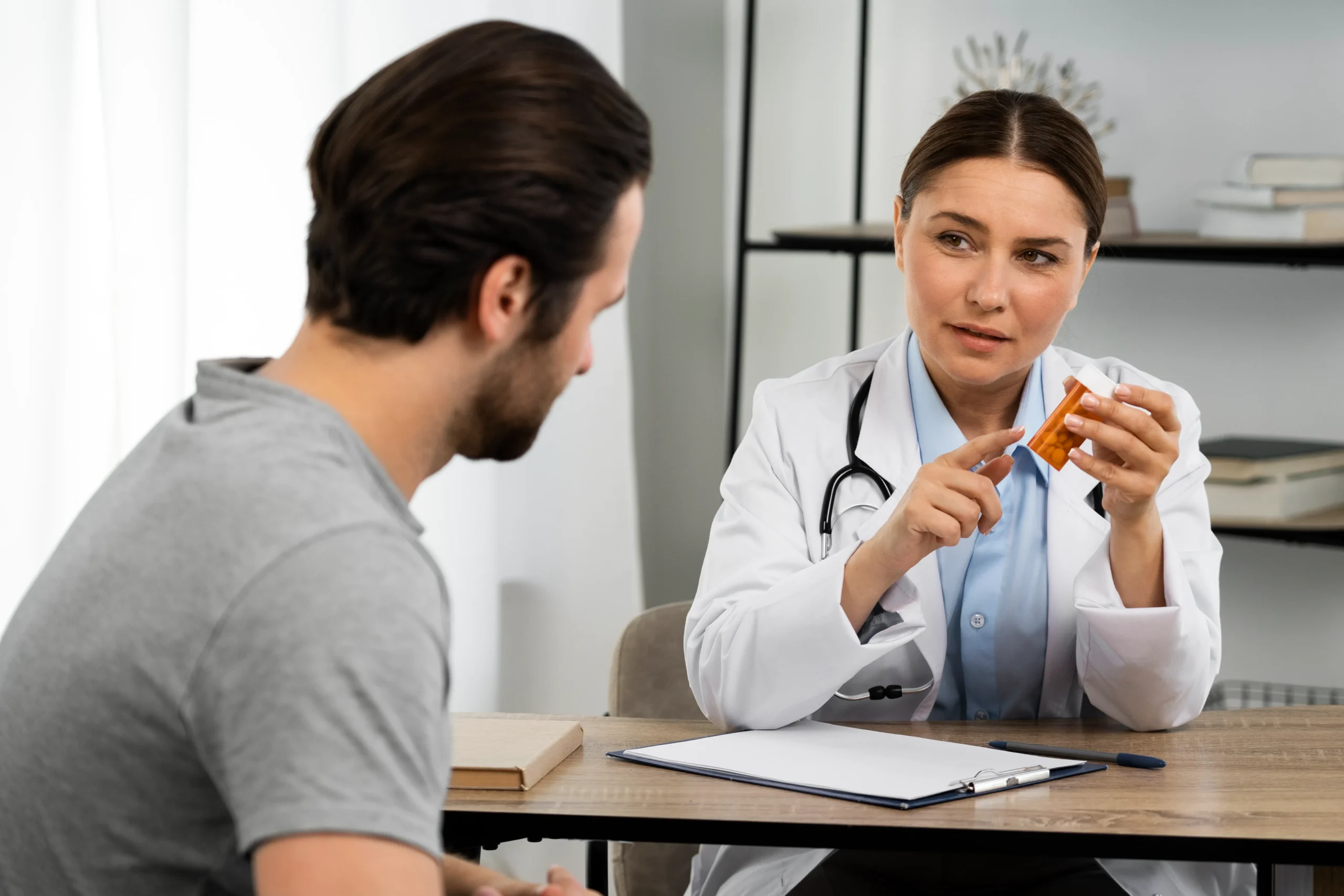
PrEP works best when it matches your real life, your routine, and your comfort level. If you’re unsure, you don’t have to figure it out alone. A quick consult can help you make a decision based on your actual risk, not assumptions.
FAQs
1) Does PrEP protect against other STIs?
No. PrEP helps prevent HIV, but it does not prevent other STIs. Testing and prevention strategies like condoms still matter.
2) Can I start and stop PrEP depending on my life?
Some people use PrEP during higher-risk seasons and reassess later. This should always be done with a provider so you can stop and restart safely.
3) Can I get a PrEP online prescription through telehealth in Florida?
In many cases, yes, depending on eligibility, required testing, and provider availability. A telehealth consult can confirm what’s appropriate for you.
PrEP Works Best When It Fits Your Life
If you’re unsure who should take PrEP, a quick PrEP telehealth consultation can help you decide based on your real risk, not assumptions.