
PEP is the “don’t-wait” option after a possible exposure. If you think you may have been exposed to HIV, the most important thing to know is that there’s a time-sensitive option that may help, but you have to act fast. The goal here isn’t to panic, it’s to move quickly and get evaluated.
In this guide, we’ll explain what HIV PEP is, when it’s recommended, how it works, what to expect during treatment and follow-up, and how people often transition to prevention after, including options to Get PrEP Online with Telehealth. We’ll also cover how privacy-first support like Confidential PrEP Access can fit into a longer-term plan. If you’re considering Get PrEP Online with Telehealth after an emergency situation, the key is turning a stressful moment into a sustainable prevention routine.
Quick answer: What is HIV PEP?
PEP stands for Post-Exposure Prophylaxis.
Plain-language definition:
- PEP is a short course of HIV medicines taken after a possible exposure to reduce the chance of infection.
Key point:
- PEP is for emergencies, not routine prevention.
Reassurance:
- This is a common, established medical approach. Clinicians deal with PEP situations all the time.
The 1 rule: When should you take PEP? (timing matters)
Timing is everything with PEP.
What matters most:
- PEP must be started as soon as possible after exposure.
- There’s a strict time window where it can work.
Practical guidance:
- If you think you’re within the window (or you’re not sure), treat it as urgent and seek care immediately.
- Waiting “to see if you get symptoms” is a common mistake, HIV often has no immediate symptoms.
What counts as a “possible HIV exposure”?
This section is meant to be clear and non-judgmental. If you’re unsure whether your exposure “counts,” that’s actually a common reason people seek evaluation.
Examples of possible exposures include:
- Sex without a condom with a partner of unknown HIV status
- Condom break or slip during sex
- Sharing needles or injection equipment
- Sexual assault (you deserve support and immediate care, clinicians can help with both medical steps and resources)
Not every contact is high risk, but if you’re unsure, getting evaluated quickly is the safest move.
Who is PEP for (and who it’s not for)?
PEP may be recommended for people who are:
- HIV-negative, or
- Unsure of their status, and had a recent possible exposure.
PEP is not meant for:
- Ongoing repeated exposures (PrEP is usually a better fit)
- Exposures outside the time window
Bridge concept:
- If you find yourself needing PEP more than once, it’s time to talk about PrEP for ongoing protection.
What is PEP? (the science made simple)
The full information is not required for making the proper decision, but it is good to know.
The higher level explanation:
- There must be some time before HIV establishes itself in the body.
- The goal of PEP is to prevent this infection from establishing.
Why adherence is important:
- It may decrease efficiency of the medicine.
The key to success: speed and adherence.
What to expect when you go in for PEP
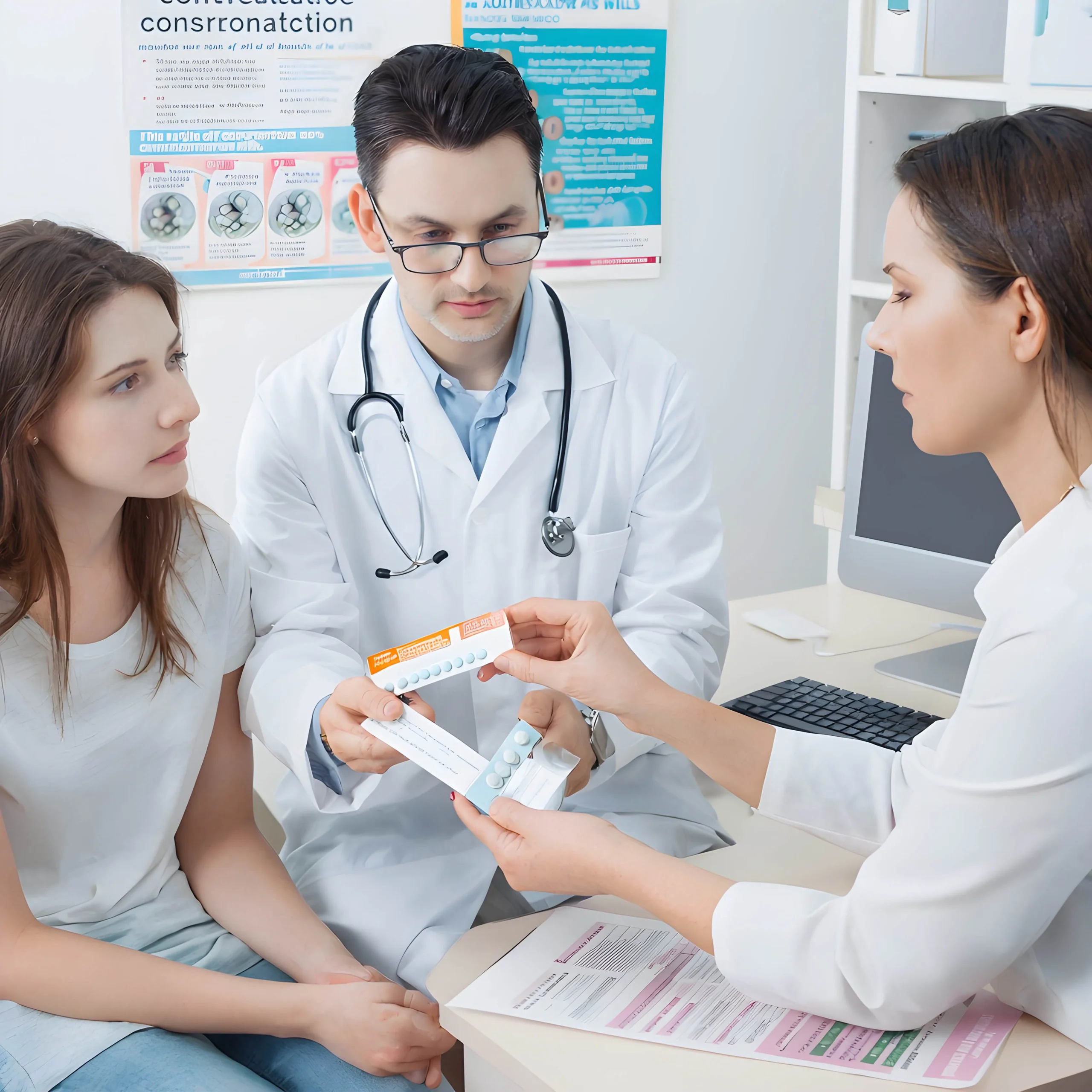
If you’re nervous about what happens during a PEP visit, here’s what it typically looks like.
Clinicians will usually ask:
- When the exposure happened
- What type of exposure it was
- Whether you have any symptoms (if present)
- Your current meds and relevant health history
Baseline testing typically includes:
- An HIV test
- Other labs as needed (high-level)
Reassurance:
- Providers can often start PEP quickly based on timing and risk assessment, even while some results are pending, depending on the situation.
What is the duration of PEP and how is it administered?
It takes daily medication for the specified duration. The healthcare provider will give you the precise information.
Reminders to keep up with the PEP schedule:
- Use reminders on your phone
- Link PEP with a certain activity every day (coffee break, tooth brushing, meals)
- Prepare ahead of time to avoid shortages
In case of missed doses:
- No need to worry; contact your provider for help.
Common side effects and those that require medical attention
Most people tend to be afraid of side effects, which is quite natural.
The following are possible common side effects (high-level):
- Nausea
- Fatigue
- Headache
- Stomach upset
What to do:
- Don’t stop medication without clinician guidance.
- Ask your provider about side effect management options.
Seek urgent care if:
- You have severe reactions or symptoms that feel dangerous or rapidly worsening.
Follow-up after PEP: testing and next steps
PEP isn’t just “take pills and forget it.” Follow-up is part of getting real peace of mind.
Follow-up usually includes:
- Repeat HIV testing on a provider-guided schedule
- STI testing may be recommended depending on exposure
Prevention planning:
- If you anticipate ongoing risk, talk about PrEP.
This is where people often shift from “emergency mode” to “prevention mode.”
PEP vs PrEP: what’s the difference (and why it matters)?
This is one of the most helpful clarifications:
- PEP = after exposure, emergency, time-sensitive
- PrEP = before exposure, ongoing prevention strategy
Transition point:
- After completing PEP, some people move to PrEP for ongoing protection.
After PEP: how to get ongoing prevention with privacy and convenience
If PEP was a wake-up call that you want more consistent protection, you’re not alone.
Next-step options may include:
- Confidential PrEP Access for privacy-first support
- Get PrEP Online with Telehealth for easier scheduling, guided follow-ups, and streamlined refills (where available)
Confidential PrEP Access can be a strong fit if privacy is your biggest concern, because prevention works best when you feel safe asking questions, getting tested, and staying consistent.

Conclusion
This means you are doing what is correct. PEP is made for cases just like this where you need an emergency approach after having been exposed. The next step is to complete the treatment course and make a prevention strategy that works for you.
FAQs
1. How soon do I need to start PEP after exposure?
As soon as possible. PEP is time-sensitive and works best when started quickly, so treat it as urgent and get evaluated immediately.
2. What if I’m not sure whether my exposure “counts”?
Still get evaluated. Clinicians can assess the situation based on timing, exposure type, and risk factors. You don’t need perfect certainty to ask for help.
3. After PEP, how do I get ongoing protection with Confidential PrEP Access and Get PrEP Online with Telehealth?
After you complete PEP and follow-up testing, you can talk with a clinician about starting PrEP if you have ongoing risk. Many people choose privacy-first or telehealth pathways to make follow-ups and refills easier to maintain.
Think you may have been exposed? Don’t wait and wonder.
Get evaluated for PEP right away, then build a long-term prevention plan with Confidential PrEP Access and options to Get PrEP Online with Telehealth for private, consistent support.